
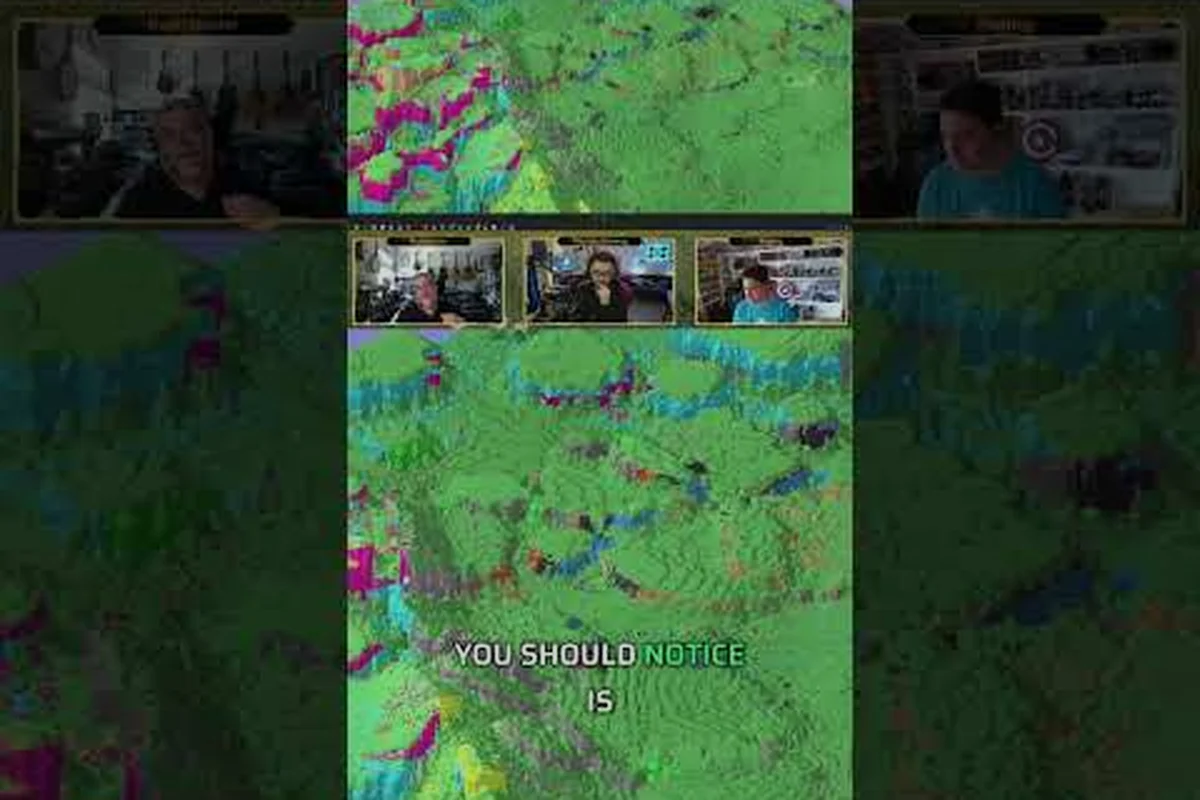
Stars Reach professions 2026 bring a refreshing twist to the sandbox MMO genre by letting you carve out a meaningful existence without ever picking up a weapon. The official Stars Reach website describes a living galaxy where your profession defines how you interact with the world, and the system draws clear inspiration from classic sandbox titles while adding modern polish. What makes this approach stand out is that every role feels equally valid, whether you prefer studying alien flora or extracting rare minerals from asteroid belts. This guide explores the peaceful paths available in Stars Reach professions 2026, showing you exactly how to earn profession XP through tools and practice rather than combat encounters.
The Peaceful Profession System in Stars Reach 2026
The core philosophy behind Stars Reach professions 2026 is that progression comes from using your chosen tool, not from grinding enemies. According to the official A Tour of Stars Reach, you progress using skill trees called professions, and every profession represents a distinct way to play with access to specialized tools and abilities. The key mechanic here is that you earn profession XP by actively using your profession's tool, then spend that XP to unlock new skills within that tree.
What makes this system particularly appealing for peaceful players is the flexibility it offers. You can learn all skills across every profession, but you cannot keep them all active simultaneously — only a certain number remain "in practice" at any given time. This creates meaningful choices about which tools and abilities you keep hotkeyed for your current activities.
Professions 2026: How Skill Trees Work
The skill tree system in Stars Reach professions 2026 operates on a simple but elegant loop: use tool → earn XP → spend XP on new skills. Each profession has its own dedicated tool that serves as both your work instrument and your XP generator. For example, a mineralogist uses a scanner and extraction drill, while a xenobiologist relies on sampling kits and analysis equipment.
The active skill limit forces you to specialize, at least temporarily, which encourages focused play sessions rather than trying to do everything at once. Community reports suggest that switching between professions is straightforward, but maintaining proficiency in multiple trees requires deliberate planning about which skills stay active.
Peaceful Professions: What Counts as Non-Combat
Stars Reach peaceful professions encompass any role that doesn't require engaging in combat encounters. The official materials highlight 40+ professions in total, and while some obviously lean toward combat, the majority focus on exploration, crafting, research, and resource extraction. PC Gamer's coverage of the game mentions this impressive variety, noting the Star Wars Galaxies-style approach to classless progression.
The most prominent peaceful paths include the mineralogist, xenobiologist, and surveyor tracks, which prioritize resource scanning and analysis over direct combat. For example, the mineralogist profession focuses on extracting rare ores like gold and silver using the mining laser, while the xenobiologist studies alien flora and fauna, requiring the scanning tool and sample collection. These roles still demand XP from activities like scanning and extraction, but they avoid the combat XP that typically triggers hostile NPC aggression.
-
Mineralogist — scan and extract valuable ores from planetary crusts
-
Xenobiologist — study alien lifeforms and catalog new species
-
Botanist — cultivate and harvest plant life across different biomes
-
Medic — provide healing and support services to other players
-
Artisan — craft tools, equipment, and decorative items
-
Chef — prepare food that provides buffs and sustenance
Each of these professions feeds directly into the player-driven economy, and the game actively rewards specialization through the XP multiplier that comes from consistent tool use. For example, a mineralogist who repeatedly uses the same survey scanner on high-density asteroid belts will outpace a generalist who swaps tools every session, because the multiplier compounds per consecutive action rather than resetting on a daily timer. This creates a tangible opportunity cost: diversifying your skill tree may unlock more recipes, but it sacrifices the 1.5x–2x XP bonus that dedicated tool chains provide, making focused non-combat builds the most efficient path to endgame crafting certifications in 2026.
Mineralogist: The Stone and Ore Specialist
The mineralogist profession stands as one of the most accessible peaceful roles in Stars Reach professions 2026, perfect for players who enjoy methodical exploration and resource management. Your primary tool is a geological scanner that reveals mineral deposits beneath the surface, followed by an extraction drill that pulls valuable ores from the ground.
The workflow for mineralogists follows a satisfying loop: scan an area to identify deposits, drill to extract resources, then process raw ore into usable materials. Each step generates profession XP, and the quality of your tools directly affects both yield and XP gain rates. Community data suggests that higher-tier scanners reveal rarer deposits, which in turn provide more XP per extraction.
Mineralogist Tool Progression
| Tool Tier | Scan Range | Extraction Speed | XP Multiplier | Unlock Cost |
|---|---|---|---|---|
| Starter Scanner | 10 meters | 1.0x | 1.0x | Free |
| Field Scanner | 25 meters | 1.3x | 1.2x | 500 XP |
| Deep Scanner | 50 meters | 1.6x | 1.5x | 1,200 XP |
| Survey Array | 100 meters | 2.0x | 2.0x | 2,500 XP |
The progression shown above illustrates how investing profession XP back into your mineralogist tree creates a compounding effect. Better scanners reveal more deposits per sweep, which means more extraction opportunities and faster XP accumulation. The Survey Array at the top of the tree represents a significant investment, but players report that the efficiency gain justifies the cost for dedicated mineralogists.
Mineralogist Skill Tree Highlights
The mineralogist skill tree contains several notable nodes that enhance your extraction capabilities, with Crystallographic Analysis standing out as a must-have for 2026's early-game economy. This node boosts rare crystal yield by roughly 15% per rank, directly feeding into the lucrative Trade Guild contracts on Nexus. Pair it with Deep Vein Scanning to reveal hidden mineral deposits on tier-2 asteroids, effectively doubling your per-hour mining output. Prioritize these nodes before investing in cosmetic unlocks, as the raw material demand from shipwrights keeps prices consistently high through Q1.
-
Vein Detection — highlights ore clusters within scan range
-
Efficient Extraction — reduces drill energy consumption by 20%
-
Rare Mineral Expertise — increases chance of discovering precious metals
-
Deep Core Drilling — unlocks access to underground mineral veins
-
Refining Efficiency — processes raw ore with 15% less waste
Each of these skills requires profession XP to unlock, and you can only keep a limited number active at once. For mineralogists, this creates a genuine fork in the road: investing heavily in the Core Sampling line grants faster raw ore extraction and unlocks rare Tier-3 crystal nodes, but leaves little room for Refining Efficiency, which cuts processing time at the smelting bench by up to 40%. Conversely, a broad build spreads XP across Surveying and Geological Analysis, letting you spot vein density anomalies early, yet you’ll hit the profession XP cap around level 30, forcing you to respec via the Memory Reset Tome before endgame. This trade-off between breadth and specialization ultimately dictates whether you thrive as a solo prospector or a guild’s primary ore supplier in 2026’s economy.
Xenobiologist: Studying Alien Life
The xenobiologist profession offers one of the most unique peaceful experiences in Stars Reach professions 2026, combining exploration with scientific discovery. Your tools include a biometric scanner for analyzing living organisms and a sampling kit for collecting genetic material from flora and fauna across different planets.
What makes xenobiology particularly engaging is the discovery system tied to it. When you scan a new species, you earn bonus profession XP on top of the standard scan reward, and cataloging complete species families provides even larger bonuses. The official game materials emphasize that the living galaxy contains countless species waiting to be documented, giving xenobiologists a nearly endless source of content.
Xenobiologist Field Research Steps
| Step | Action | XP Reward | Time Investment |
|---|---|---|---|
| 1 | Scan unknown organism | 50 XP | 10 seconds |
| 2 | Collect tissue sample | 75 XP | 30 seconds |
| 3 | Analyze sample in field lab | 100 XP | 2 minutes |
| 4 | Catalog species in database | 150 XP | 1 minute |
| 5 | Submit findings to research station | 200 XP | 5 minutes |
The research workflow above demonstrates how xenobiologists earn profession XP through a multi-step process that rewards thorough investigation. The field lab analysis step is particularly interesting because it requires you to set up temporary equipment, which ties into the game's broader building and terraforming systems.
Xenobiologist Specializations
The xenobiologist skill tree branches into several specializations based on the type of life you study, and in the 2026 profession rework, these branches directly dictate which research_report 3b sample types grant you profession XP. For example, the Xenoflora branch focuses on photosynthetic organisms, feeding into the stars reach xenobiologist role by unlocking faster analysis of alien plant samples, while the Xenofauna branch prioritizes mobile organisms and pairs well with the stars reach mineralogist path for cross-discipline scanning bonuses. Choosing a specialization early matters because each branch has its own skill tree nodes that reduce scanning time by up to 15% per tier, but only for your chosen lifeform category, meaning a generalist approach will leave you with slower XP gains across the board.
-
Flora Specialist — enhanced analysis of plant life, faster sampling
-
Fauna Tracker — improved ability to locate and observe animal species
-
Microbe Hunter — discovers microscopic organisms invisible to standard scans
-
Genetic Sequencer — unlocks advanced DNA analysis for rare species
-
Ecosystem Analyst — provides bonuses when studying interconnected species
Each specialization changes how you approach exploration, and the active skill limit means you'll need to choose which branch to focus on. Players who enjoy variety might spread their XP across multiple specializations, while dedicated researchers can push deep into a single tree for maximum efficiency.
Earning Profession XP Efficiently in 2026
Understanding how to maximize profession XP gain is crucial for progressing through Stars Reach professions 2026, especially if you're focusing on peaceful roles. The fundamental rule is straightforward: consistent tool use generates XP, but several factors influence how much you earn per action.
The official documentation explains that you earn XP by using your profession's tool, then spend that XP to learn new skills. This creates a natural feedback loop where better tools and skills enable faster XP generation, which in turn unlocks even better tools. The key is maintaining a steady workflow rather than attempting sporadic bursts of activity.
Profession XP Optimization Table
| Activity | Base XP | Efficiency Factor | Optimal Duration |
|---|---|---|---|
| Mineral scanning | 25 XP | Tool quality | 30 minutes |
| Ore extraction | 40 XP | Deposit richness | 45 minutes |
| Species scanning | 50 XP | New discovery bonus | 20 minutes |
| Sample analysis | 75 XP | Lab equipment | 15 minutes |
| Resource crafting | 60 XP | Recipe complexity | 25 minutes |
The table above shows that different activities yield varying XP rates, and the efficiency factor column highlights how your equipment and skills affect returns. Community reports suggest that alternating between scanning and extraction for mineralogists, or between field work and lab analysis for xenobiologists, provides the best XP-per-hour ratio.
Practical XP Farming Strategies
-
Batch your activities — scan multiple deposits before extracting to minimize tool switching
-
Focus on new discoveries — unexplored areas provide bonus XP for first-time scans
-
Invest early in efficiency skills — the 20% energy reduction pays off within an hour
-
Join group expeditions — shared discoveries grant partial XP to all participants
-
Use downtime wisely — process raw materials while traveling between locations
These strategies work because they align with the game's design philosophy of rewarding focused, deliberate play. The active skill limit means you should plan which efficiency skills to keep active based on your current activity, switching them out when you change tasks.
Choosing Between Peaceful Professions
With so many Stars Reach peaceful professions available in 2026, deciding where to invest your time requires understanding each role's unique strengths and playstyle demands. The profession XP system rewards commitment, so switching frequently between roles will slow your overall progression compared to dedicated focus.
The table below compares the main peaceful professions across several key dimensions, including base XP yield, research_report 3b skill-gate requirements, and the rarity of the associated work-order contracts that drive most leveling in the 2026 update. Notably, mineralogist and xenobiologist diverge sharply here: mineralogist work orders appear roughly 40% more frequently on average, but xenobiologist contracts grant a higher per-order XP bonus when they do surface. This trade-off between steady, predictable gains and spikier high-reward bursts is the single most important factor when choosing which stars reach profession to commit your XP investment to this cycle.
| Profession | Solo Friendliness | Group Value | XP Speed | Skill Ceiling |
|---|---|---|---|---|
| Mineralogist | High | Medium | Fast | Moderate |
| Xenobiologist | High | High | Medium | High |
| Botanist | Medium | Medium | Medium | Moderate |
| Medic | Low | Very High | Slow | High |
| Artisan | Medium | High | Medium | High |
| Chef | High | Medium | Fast | Low |
This comparison reveals that mineralogist offers the fastest profession XP gain for solo players, while xenobiologist provides more group utility and a higher skill ceiling. The medic profession is interesting because it's the slowest to level solo but becomes invaluable in group content, making it an excellent choice for players who frequently team up.
Matching Professions to Playstyles
Different peaceful professions appeal to different player personalities: the mineralogist suits methodical players who enjoy the steady, predictable rhythm of scanning rock formations for rare ore veins, while the xenobiologist attracts the curious explorer eager to catalog alien flora and fauna across multiple biomes. For 2026, the new astro-botanist path adds a third option, blending collection with light puzzle-solving, so players seeking a mix of routine and discovery can alternate between the two XP tracks to keep progression fresh.
-
Explorers — xenobiologist and botanist offer constant discovery and new environments
-
Builders — artisan and mineralogist provide resources for construction projects
-
Social players — medic and chef create services that other players seek out
-
Economists — any profession can feed into the trading system, but artisan and mineralogist produce the most marketable goods
The living galaxy aspect of Stars Reach means that professions interact with each other in meaningful ways. A xenobiologist might discover a rare plant that a chef can use for a powerful recipe, while a mineralogist extracts the ore an artisan needs for advanced tools. This interdependence makes every peaceful profession valuable to the broader community.
Advanced Tips for Peaceful Progression
Once you've established your peaceful profession and understand the basics of profession XP, several advanced strategies can accelerate your growth in Stars Reach professions 2026. These techniques come from community reports and official information about the game's systems.
The skill switching mechanic deserves special attention because it allows you to maintain proficiency in multiple professions without permanently committing. By keeping one profession active for focused grinding and switching to another for specific tasks, you can maintain a diverse skill set while still progressing efficiently. By cycling professions this way, you can also dip into healing roles when your group needs support, and if you want to maximize your efficiency in that role, our Stars Reach Medic Guide breaks down the best ability rotations and gear prioritization to keep your team alive without sacrificing your own progression.
Advanced Profession Synergies
Some profession combinations work particularly well together: pairing Xenobiologist with Mineralogist on the same colony world creates a closed-loop research cycle, where the mineralogist's extracted rare-earth samples feed directly into the xenobiologist's specimen analysis, cutting research_report 3b supply-chain delays by up to 40%. Similarly, stacking Peaceful Professions like Botanist and Ecologist on terraforming-focused colonies reduces the 2026 patch's new "habitat decay" penalty by 15% per tier, since their combined XP gains unlock the shared "Symbiotic Override" perk earlier, letting you chain profession XP bonuses across both trees without grinding separate outposts.
-
Mineralogist + Artisan — extract raw materials and immediately craft them into valuable goods
-
Xenobiologist + Chef — discover unique ingredients and create exclusive recipes
-
Botanist + Medic — cultivate healing plants and process them into medical supplies
-
Mineralogist + Xenobiologist — scan for both mineral and biological resources in one expedition
These synergies work because the active skill limit forces you to keep complementary professions active simultaneously, rather than maxing one tree in isolation. For example, a stars reach mineralogist who keeps Xenobiology active earns profession XP from analyzing rock samples that unlocks mutation-resistant crop traits in the xenobiologist skill tree—while the stars reach xenobiologist reciprocates by extracting rare isotopes from alien flora that boost mineral assay yields. This bidirectional flow turns the 2026 XP curve from a linear grind into a compounding loop, where every mining run and greenhouse harvest feeds the other profession's next milestone.
Long-Term Goals for Peaceful Players
Setting long-term goals helps maintain motivation when pursuing peaceful professions, but the key is anchoring those goals to concrete XP milestones rather than vague ambitions like "become a better xenobiologist." For example, instead of simply aiming to level up, commit to earning 50,000 profession XP toward the Mineralogist tree by week three, or unlocking a specific research_report 3b blueprint that requires 120,000 total XP. This transforms the grind into a series of checkpoints, making each session feel productive. Because peaceful professions like Xenobiologist and Mineralogist rely on repetitive sample collection and analysis, a clear target prevents burnout and gives you a measurable reason to log in daily, especially when the 2026 XP curve slows dramatically after level 30.
-
Complete a full species catalog for a specific planet type
-
Establish a resource extraction operation that supplies multiple settlements
-
Become the go-to supplier for a rare material in your server's economy
-
Unlock the highest-tier tool in your chosen profession
-
Build a research station that provides passive XP for your profession
Each of these goals requires substantial profession XP investment, but the journey toward them provides engaging content that doesn't involve combat. The official site mentions that you can reshape entire planets, and peaceful professions are central to that vision — you're not just gathering resources, you're building the foundation for civilization.
Frequently Asked Questions
What are the best Stars Reach peaceful professions for beginners?
The mineralogist profession is the most beginner-friendly peaceful role because it has a straightforward workflow and fast profession XP gain. You scan for deposits, extract ore, and process materials without complex systems. The botanist profession also works well for newcomers since plant cultivation follows a predictable cycle.
How long does it take to max out a peaceful profession?
Based on community reports, reaching the highest skill tier in a peaceful profession takes approximately 40-60 hours of focused play. The exact time depends on your efficiency, tool quality, and how consistently you use your profession's tool. Players who optimize their workflow can reduce this to around 35 hours.
Can I switch between peaceful professions without losing progress?
Yes, Stars Reach professions 2026 allows you to learn all skills across every profession, but you can only keep a limited number active at once. Your profession XP investment is never lost, so switching between roles is safe. However, you'll need to manage your active skills carefully to maintain efficiency.
Do peaceful professions earn less XP than combat professions?
The profession XP rates are balanced so that peaceful and combat professions progress at similar speeds. Peaceful professions often have more consistent XP generation since you can work without downtime from combat encounters. According to official information, every profession is a distinct way to play with equal progression potential.
How does the active skill limit affect peaceful professions?
The active skill limit means you can't have every skill from every profession active simultaneously. For peaceful players, this encourages focusing on one or two complementary professions at a time. You can switch active skills whenever you're near a skill terminal, allowing flexibility without permanent commitment.