
Building
Build your Stars Reach homestead, grow towns and claim planets — land claims, structure types, build permissions, asteroid bases and city planning guides.
Introduction
Building turns Stars Reach into your own frontier story. From a modest homestead on an unclaimed hillside to a sprawling city governed by a guild, the building system is built around land claims, structure types and permissions. This hub covers how to claim land, place foundations, raise walls and roofs, furnish interiors, and eventually expand into towns and cities with other settlers. Because terrain is permanent and claims are meaningful, building decisions ripple through the shared world — a poorly placed tower can block a neighbor’s view, while a well-designed public space becomes a community landmark. The category also explains asteroid bases, space stations, build permissions and the defenses you need to protect everything you create from hostile wildlife and raiders.
Structure & Claim Reference
| Structure Type | Requirements | Best For |
|---|---|---|
| Homestead | Land claim + foundations | Solo/small group homes |
| Workshop | Workbench + profession tools | Crafting production chains |
| Storage Building | Land claim + containers | Resource logistics |
| Community Building | Group permissions | Shared public spaces |
| Asteroid Base | Space-capable build zone | Orbital resource ops |
Building Essentials
Homestead
Your personal starting structure — a compact home that gives you shelter, storage and a crafting anchor on a new world.
Land Claim
The legal marker that makes a plot of ground yours, defining what you may build and who else may use it.
Workshop
A production building loaded with workbenches and profession tools for crafters.
Asteroid Base
A base built on or inside an asteroid, enabling orbital logistics and resource extraction in space.
Settlement Defense
Turrets, shields and mines engineered to stop hostile wildlife and raiders from trashing your work.
Core Mechanics
Building starts with a land claim: you mark a plot on a planet’s surface (or an asteroid) as yours, subject to server rules and permissions. Inside the claim you place foundations, walls, roofs, doors and furniture to create functional structures. Buildings support the game’s professions — a workshop needs workbenches for Artisan crafting, while storage buildings protect your stockpiles. Group claims let several players cooperate on larger projects, and planet ownership goes further, letting organizations set tax rates, build permissions and PvP rules for entire worlds. Defenses such as turrets, shields and mines protect settlements from hostile creatures and raiders.
Advantages
A well-placed homestead is a strong foundation for everything else in Stars Reach. It gives you safe storage, crafting stations and a respawn-friendly base of operations near your favorite resources. Building with a group multiplies the payoff: shared claims combine storage and crafting capacity while spreading the cost of large structures. Permanent terrain means your buildings can become famous landmarks, and the player-run governments make city planning a real system rather than cosmetic decoration. For ambitious players, asteroid bases and space stations open unique orbital logistics opportunities. The payoff grows as your settlements develop: homesteads become workshops, workshops feed trade, and trade funds expansion.
Challenges
Building consumes significant materials, time and planning, especially at city scale. Claims are not unlimited — server and guild rules govern how much land one player can hold, and poorly placed buildings can be an eyesore or an obstruction for neighbors. Structures and defenses require upkeep, and hostile wildlife or raiders can damage your work if defenses are neglected. Pre-release, exact build costs, structural integrity rules and claim limits are still subject to change, so treat early numbers as approximations until launch notes confirm them. Community friction is a real risk — disputes over views, resource nodes and expansion boundaries can sour neighbors, so diplomacy and clear claim etiquette matter.
Frequently Asked Questions
Can I build anywhere?+
How do I protect my base?+
Can I build with friends?+
Quick Tips
Survey several candidate spots before claiming — elevation, water access and resource proximity matter far more than a scenic view when you are defensively outnumbered. Walk the actual terrain and note where wildlife paths cross, then place your claim to keep farms uphill of animal trails and within easy reach of water and ore deposits so daily chores stay short.
Build a secure storage building before expanding your workshop; nothing slows a crafting empire like losing a full stockpile to a raid. Add a small overflow warehouse near your workshop door and label containers by material type, so raw inputs, finished goods and rare components never mix and your stocktake takes seconds instead of an hour.
Coordinate with neighbors on shared walls and public spaces; a small planned town beats three isolated homesteds fighting over the same hill. Set shared policies early — who pays for foundations, who repairs walls, and what the community rules are for expansion — and write them down on a public board so new members can follow them without drama.
Featured
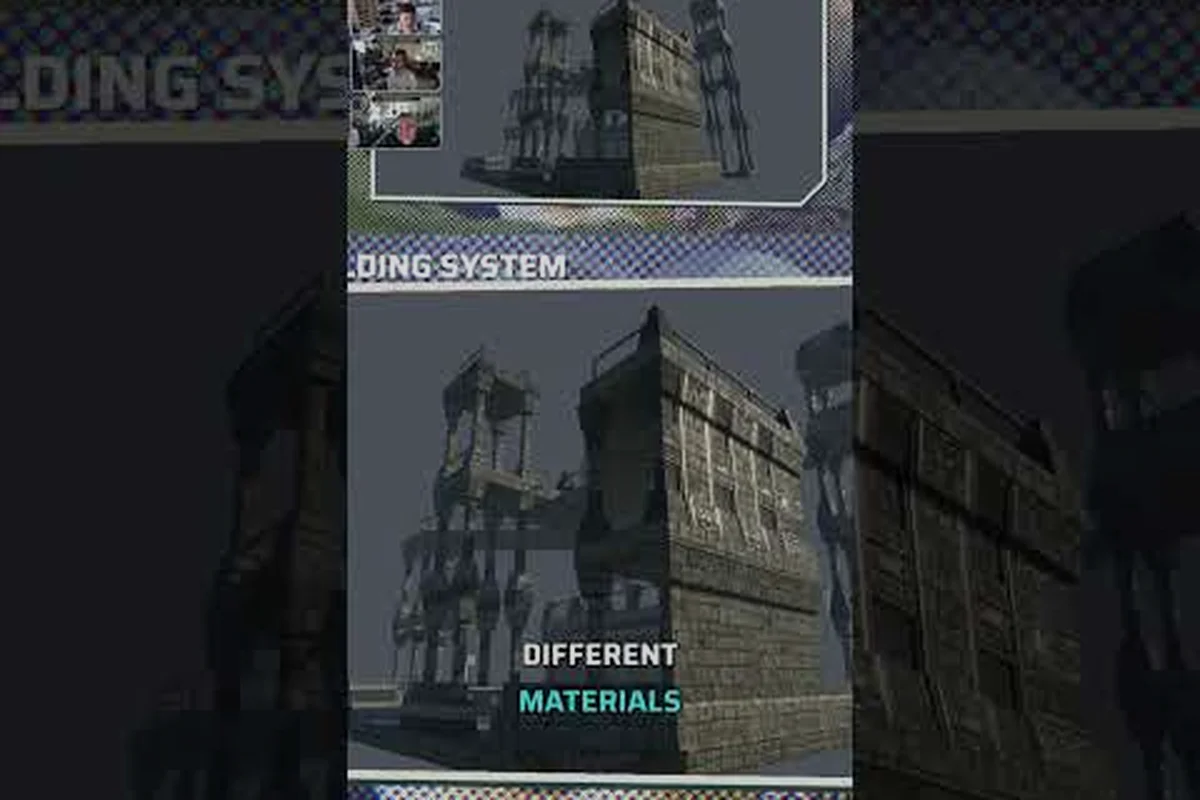
Stars Reach Building Guide: From Homestead to Player City
Master Stars Reach building guide to claim land and craft homes. Learn city construction, homesteading basics, and how to shape alien worlds.
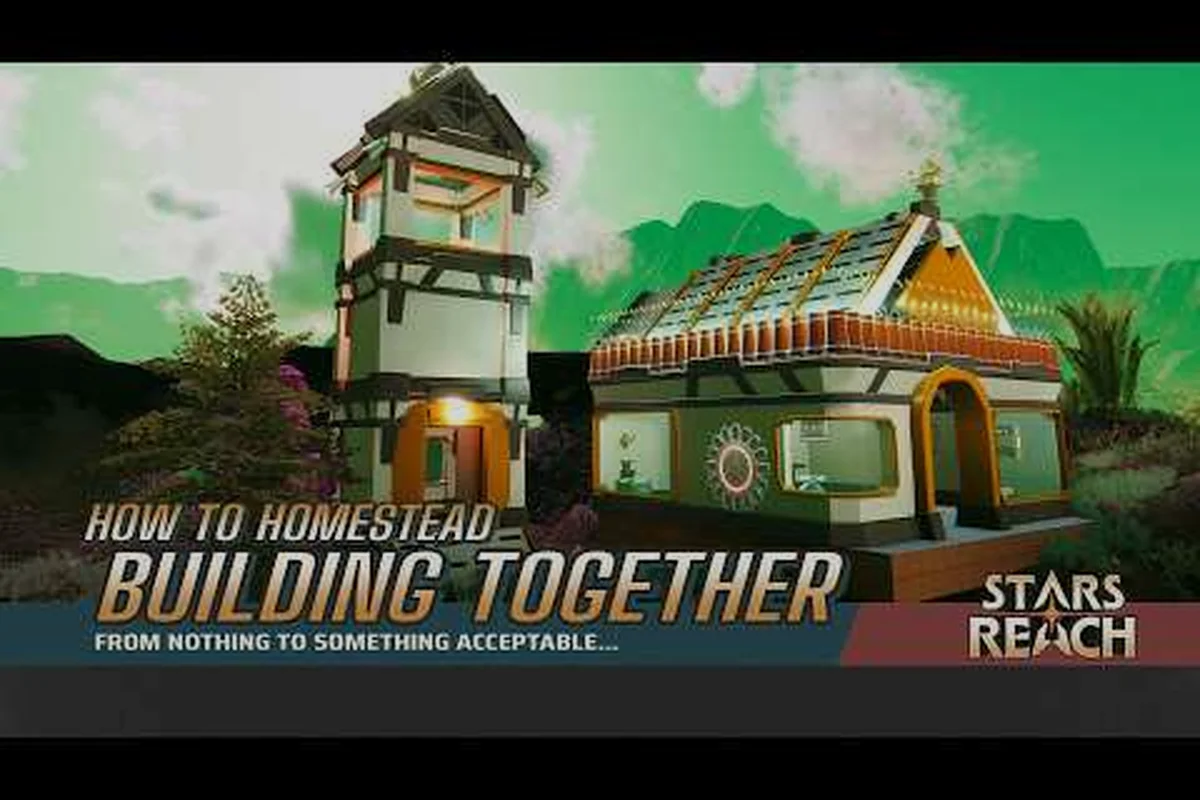
Stars Reach Planet Ownership: Claim and Customize Your World
Claim a patch of an alien world with Stars Reach planet ownership. Learn land staking, house customization, and defending your settlement in the living galaxy.
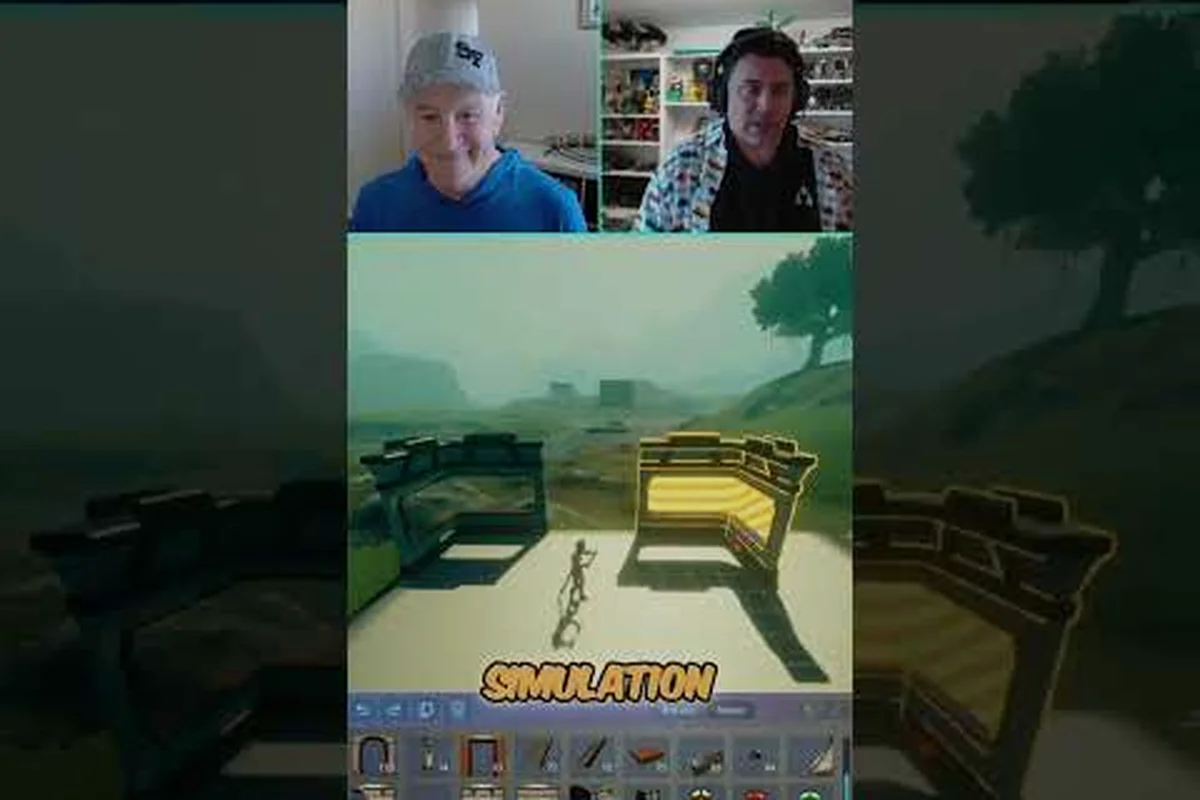
Stars Reach Buildings List: Expand Your Homestead Fast
Explore the Stars Reach buildings list from storage sheds to workshops. Expand your house, share structures with friends, and build a thriving settlement.
All Articles
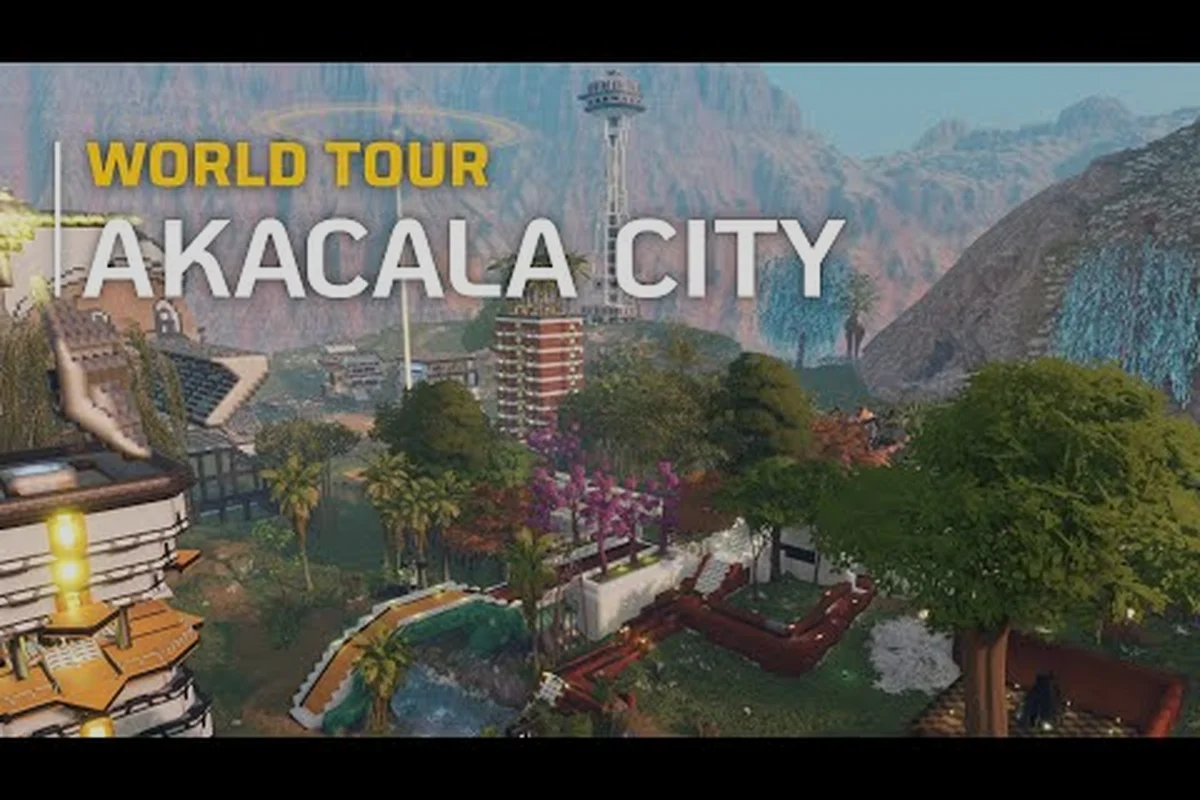
Stars Reach Group Building: Asteroid Bases and Stations
Master Stars Reach group building for asteroid bases and space stations. Learn base defense, fortify homesteads, and build together in space.
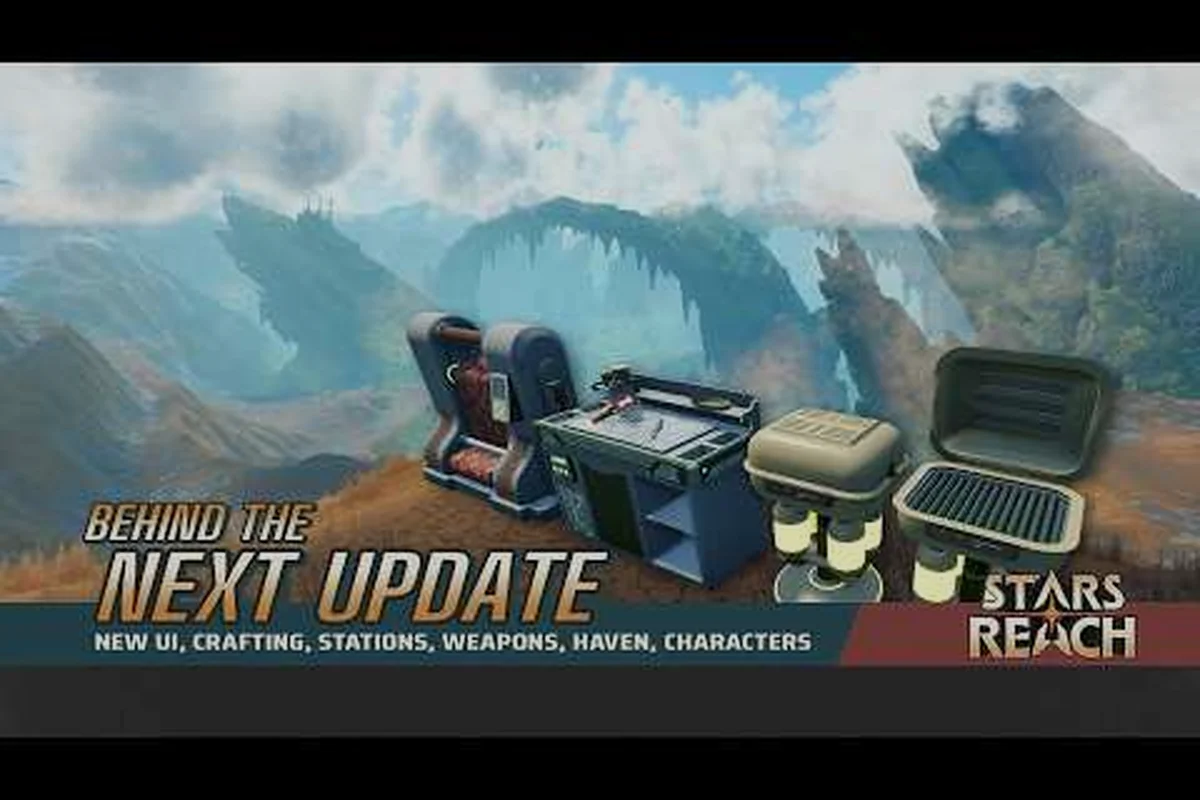
Stars Reach How to Build: Placement and Permissions Help
Learn Stars Reach how to build with land claim basics and house placement. Understand permissions, decorating tips, and settlement construction steps.
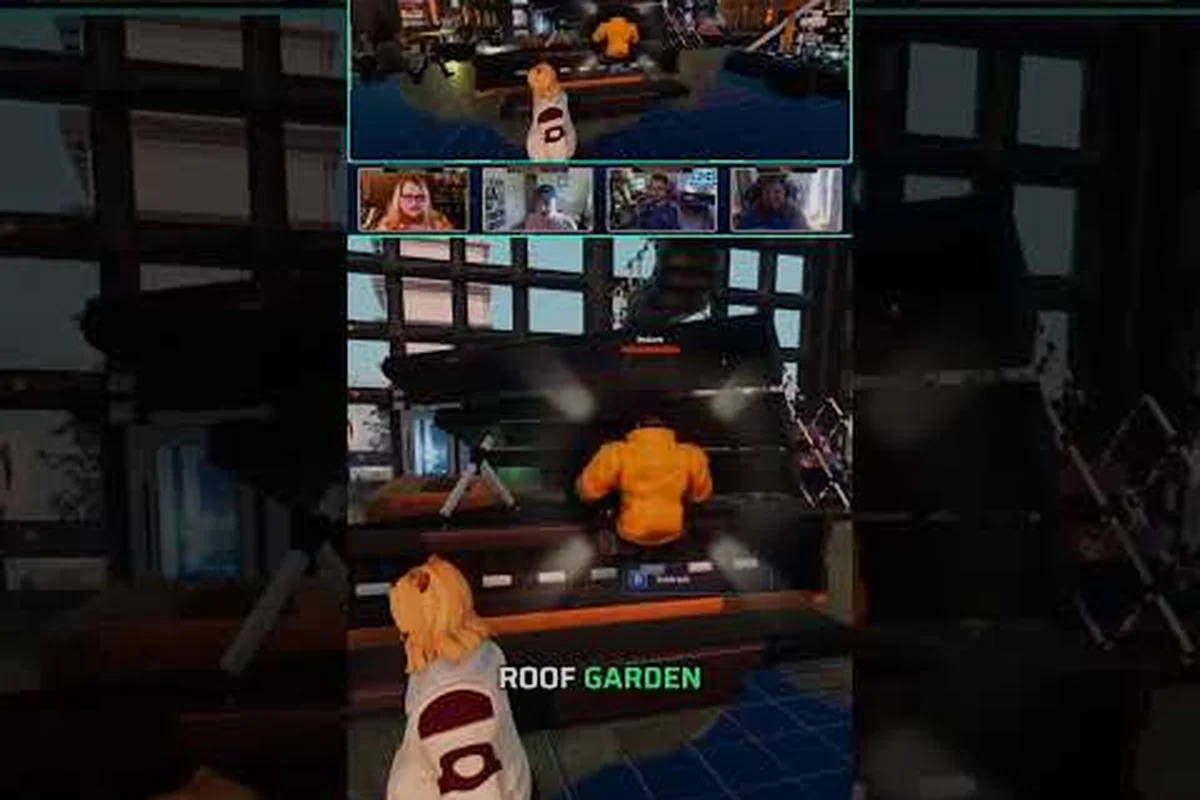
Stars Reach Building Materials: Sourcing for Structures
Discover where to find sand, metal, and rare ores for Stars Reach building materials. Learn how climate shapes what you can craft for your homestead.
Stars Reach Roofless Building: Foundations and Blueprints
Master Stars Reach roofless building with foundations and blueprints. Place furniture and craft open-air homesteads that fit the natural terrain of your planet.