
Exploration
Explore the living galaxy of Stars Reach — procedural planets, biomes, wormholes, spaceports, ancient ruins and claiming worlds of your own.
Introduction
Exploration is where Stars Reach turns from a building game into a galaxy-spanning adventure. The game world is a single shared, procedurally generated galaxy where new planets are born, continents shift and no two worlds look alike. This hub covers how to travel — spaceports, wormholes and starship flight — and what to do when you arrive: mapping biomes, cataloguing points of interest, hunting ancient ruins and claiming entire planets for your guild. You will learn how the living galaxy generates and regenerates terrain, why wormholes are risky shortcuts with collapse potential, and what secrets the Old Ones left behind. For players who want to see the farthest reaches and put their name on the galactic map, this is your category.
Exploration Sites Reference
| Destination | How to Reach | Reward |
|---|---|---|
| Procedural Planets | Spaceport → ship travel | New biomes, resources |
| Wormhole Corridors | Starship navigation | Fast sector shortcuts |
| Ancient Ruins | Scanning + exploration | Old Ones relics, lore |
| Points of Interest | Live events, anomalies | Meteor salvage, artifacts |
| Claimable Worlds | Guild conquest + claims | Planet ownership, taxes |
Frontier Destinations
Procedural Planets
Newly generated worlds shaped by the living simulation — every one holds unique biomes, resources and terrain that never fully heals.
Wormhole Corridors
Shortcuts between sectors that save enormous travel time but carry collapse risk for the unwary.
Ancient Ruins
Remnants of the Old Ones who terraformed the galaxy, holding relics, lore and advanced technology.
Points of Interest
Dynamic sites such as meteor showers, crashed alien ships and hidden secrets that appear as the galaxy evolves.
Planetary Claims
Guild-scale conquest and governance where a group that secures a world becomes its owner.
Core Mechanics
Travel begins at spaceports, which launch you toward the galaxy map. Ships and wormholes move you between systems; wormholes are faster but carry collapse risk, so experienced pilots plan escape routes. Once on a planet, exploration is about mapping — biomes, terrain, resources and points of interest. The living galaxy generates new worlds over time and terrains evolve, so maps go stale and re-exploration is rewarded. Scanning technology reveals hidden sites, from crashed ships to Old Ones ruins that hold lore and rare technology. Claiming a planet is the endgame of exploration: a guild that surveys and secures a world becomes its owner, able to set laws and reap taxes.
Advantages
Explorers reap first-discovery benefits: new planets are rich in untouched resources, rare minerals and exclusive points of interest before the crowds arrive. Mapping knowledge is itself a tradeable asset — cartographers sell charts to settlers and guilds. Wormhole mastery gives elite mobility, letting you reach profitable markets or safe havens faster than the competition. Ruins and Old Ones sites hold lore, relics and progression links to the game’s deeper story, while planetary claims turn exploration into permanent power: owners control taxes, laws and development of entire worlds. Early arrival on a new world often means first access to the rarest ores, seeds and alien samples before other settlers arrive at scale.
Challenges
Exploration is time-consuming and risky. Travel burns fuel and resources, wormholes can collapse mid-journey, and unknown planets hide hostile wildlife and environmental hazards. Mapping large regions is slow, and far-flung claims are hard to defend from raiders. Procedural generation means the planet you mapped yesterday may change today. Pre-release, exact travel costs, wormhole mechanics and claim requirements may shift, and some destinations remain undiscovered or unannounced until launch content drops. Travel infrastructure is not free: ships require fuel, repairs and insurance, which can eat into an explorer’s profits on long expeditions. Newly discovered planets are often frontier-dangerous — wildlife, storms and invisible hazards can end a mapping run and cost you your gear.
Frequently Asked Questions
How many planets are there?+
Are wormholes safe?+
Can I really own a planet?+
Quick Tips
Always check a planet’s hazard level before landing — a beautiful jungle world can hide predators that make quick work of an unprepared scout. Use scan data before descending: check biomes, hazard rating and likely resource types, then pack accordingly — a fire suit, a breather or extra ammo — so a beautiful planet does not become your gravestone.
Carry fuel reserves for a wormhole bail-out; a collapsed corridor strands you far from your home system with expensive rescue options. Fuel and repair kits cost nothing when you are safe on a station but can save your whole expedition in deep space, so treat them as mandatory cargo for any flight that uses a wormhole shortcut.
Sell your survey maps to cartographers and guilds — exploration data is a legitimate, renewable income stream that costs nothing to duplicate. Maintain a chart portfolio: sell fresh maps to cartographers, but keep a personal copy of your favourite routes, because demand for verified data rises after every planetary update and your old charts stay valuable.
Featured

Stars Reach Galaxy Map: Track Ruins and Wormhole Routes
Navigate the Stars Reach galaxy map to locate ancient ruins and hidden secrets. Learn how shifting wormholes reveal new points of interest and Old Ones lore.
Stars Reach Exploration Professions: Scout New Worlds
Pick the right Stars Reach exploration professions to scout and map new worlds. Learn scout tips, combine skills, and see why cartography feeds the economy.
Stars Reach Safe Planets: Find Havens and Claim Land
Identify Stars Reach safe planets for forward bases and homesteads. Spot dangerous worlds, use the discovery system, and claim territory without threats.
All Articles
Stars Reach Alien Artifacts: Hunt Crashed Ships and Relics
Hunt for Stars Reach alien artifacts at crashed spacecraft and meteor showers. Learn to scout unexplored planets and share exploration rewards with friends.
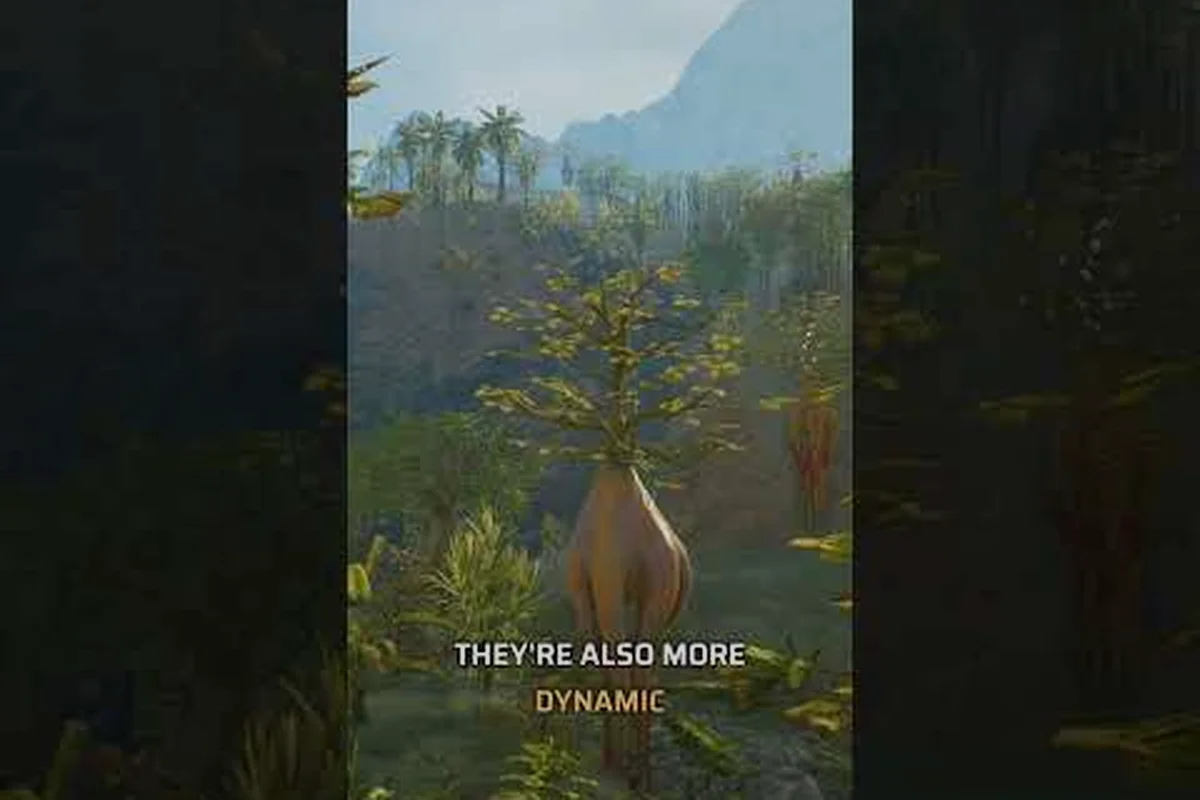
Stars Reach Biomes: Jungle, Desert, and Ice Worlds Guide
Plan expeditions with this Stars Reach biomes guide. Learn how jungles, deserts, and ice worlds react to temperature and humidity, and where to build outposts.

Stars Reach Desert Planet: Survive Heat and Travel
Survive the Stars Reach desert planet with tips on space travel and wormhole navigation. Learn how temperature and humidity shape these harsh worlds.

Stars Reach Exploration Guide: Map a Living Galaxy
Explore the living galaxy with this Stars Reach exploration guide. Find new planets, navigate shifting wormholes, and uncover biomes as the map evolves.