
Terraforming
Reshape entire planets in Stars Reach — dig tunnels, carve mountains, move water and trigger the living simulation that reacts to your actions.
Introduction
Terraforming is the signature system of Stars Reach and the clearest proof that these worlds are alive. Every cubic meter of terrain can be dug, carved, filled, flooded or heated, and the changes are permanent — the land never fully heals. Should you dig a tunnel through a mountain, the tunnel stays. Divert a river and the valley downstream changes forever. This hub explains the terrain tools, from basic picks and shovels to advanced excavation, water manipulation and heat-based tricks like melting sand into glass or triggering volcanic flows. It also covers the living simulation that responds to your work: forests grow over cleared ground, fires spread through dry wood, and ecosystems shift as the terrain changes around them.
Terrain Tool Reference
| Tool / Method | Effect | Common Use |
|---|---|---|
| Dig Tool | Removes voxels to create holes | Foundations, tunnels, basements |
| Carve Tool | Smooths and shapes existing terrain | Roads, ramps, architectural faces |
| Water Tools | Dam, flood, freeze or evaporate water | Lakes, irrigation, defenses |
| Heat Source | Melts sand into glass, ignites flows | Glasscraft, volcanic landscaping |
| Support System | Adds ceiling supports to excavations | Prevents tunnels from collapsing |
Terrain Shaping Deep-Dive
Excavation
The art of digging tunnels, caves and foundations with pick-type tools while managing collapse risk.
Water Engineering
Damming, diverting, freezing and evaporating water to create lakes, moats and irrigation networks.
Heat & Glass
Using heat to transform sand into glass, trigger volcanic flows and reshape terrain with molten elements.
Ecosystem Management
Encouraging forests, managing fires and reading how the world reacts to your changes.
Planet-Scale Projects
Cooperative megaprojects that carve highways, flood plains or terraform entire continents with groups.
Core Mechanics
Terrain editing works at a granular voxel level, which means your tools affect the world one block of material at a time. Digging removes material to create space; carving reshapes it into smoother forms. Water has realistic flow: damming a river creates a lake upstream, while breaking the dam floods everything below. Heat triggers transformation — sand exposed to heat melts into glass, and extreme heat can ignite volcanic or molten flows. Because terrain is permanent, physics governs the result: unsupported tunnels can collapse, so miners use ceiling supports. The ecosystem reacts too, letting you grow forests, burn clearings or freeze water into new routes.
Advantages
Terraforming turns map knowledge into a competitive advantage. You can carve shortcuts through mountains, build flood defenses, create irrigation for farms and engineer defensible terrain around your base. Resource access improves dramatically — tunnels reach deep ore veins, and glasscrafting creates valuable trade goods from ordinary sand. For builders, reshaping foundations gives near-limitless architectural freedom, and for communities, cooperative terraforming can turn a hostile world into a thriving settlement. Every world you reshape becomes unique, and players who master terrain tools leave permanent, celebrated marks on the galaxy. Beyond practical advantages, reshaping the land is a form of creative expression — canals, amphitheatres, stepped mountain farms and cave cities become works players can share and admire.
Challenges
Permanent changes are also permanent mistakes: a badly planned excavation can destroy a scenic area or block a neighbor’s approach, causing community conflict. Unsupported tunnels collapse and can bury players or destroy resource nodes. Water projects are risky because altered flow affects the whole valley, not just your plot. Heat-based tricks (glass, volcanic flows) can damage nearby structures if you misjudge. Finally, terrain tools consume stamina, materials and time — ambitious reshaping projects are a long-term commitment, not a quick cosmetic pass. Large-scale reshaping can also be socially controversial on shared planets, where one player’s ambitious canal is another’s blocked view, and disputes may escalate to griefing reports.
Frequently Asked Questions
Does terraforming ever revert?+
How do I make glass?+
Can tunnels collapse?+
Quick Tips
Always add ceiling supports in tunnels you plan to use regularly — a collapse at the wrong moment can bury your entire mining party and your haul. For any tunnel you plan to use daily, brace ceilings with supports as you dig and leave pillars in wide chambers; a collapse mid-run can bury your whole party, your haul and your tools with no quick rescue.
Experiment with water on your own claim first: a trial dam teaches flow physics without ruining a shared river for your neighbors. Start water experiments on your own claim: build a small dam, release it, watch the flow — this teaches you how the physics behaves before you risk flooding a valley that neighbours depend on for farming or settlement.
Harvest sand near volcanic zones and combine heat-based glasscraft with your crafting profession for a steady, high-value trade loop. Combine heat-based glasscraft with a crafting profession: harvest sand near volcanic zones, melt it into glass, then sell or craft it into windows, jewellery and decorative items that carry a premium across trade lanes.
Featured
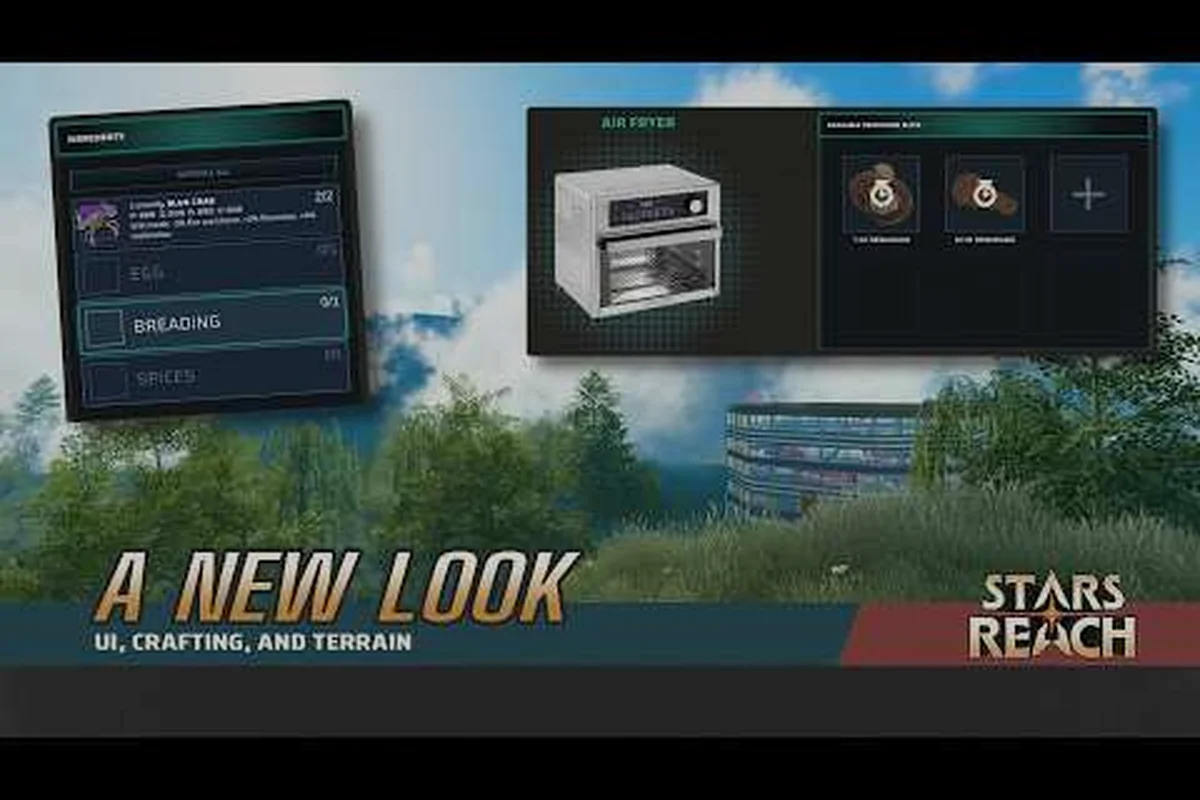
Stars Reach Terraforming Guide: Reshape Whole Planets
Master Stars Reach terraforming guide techniques to reshape planets. Dig tunnels, carve mountains, and edit terrain to transform untamed worlds into your own.
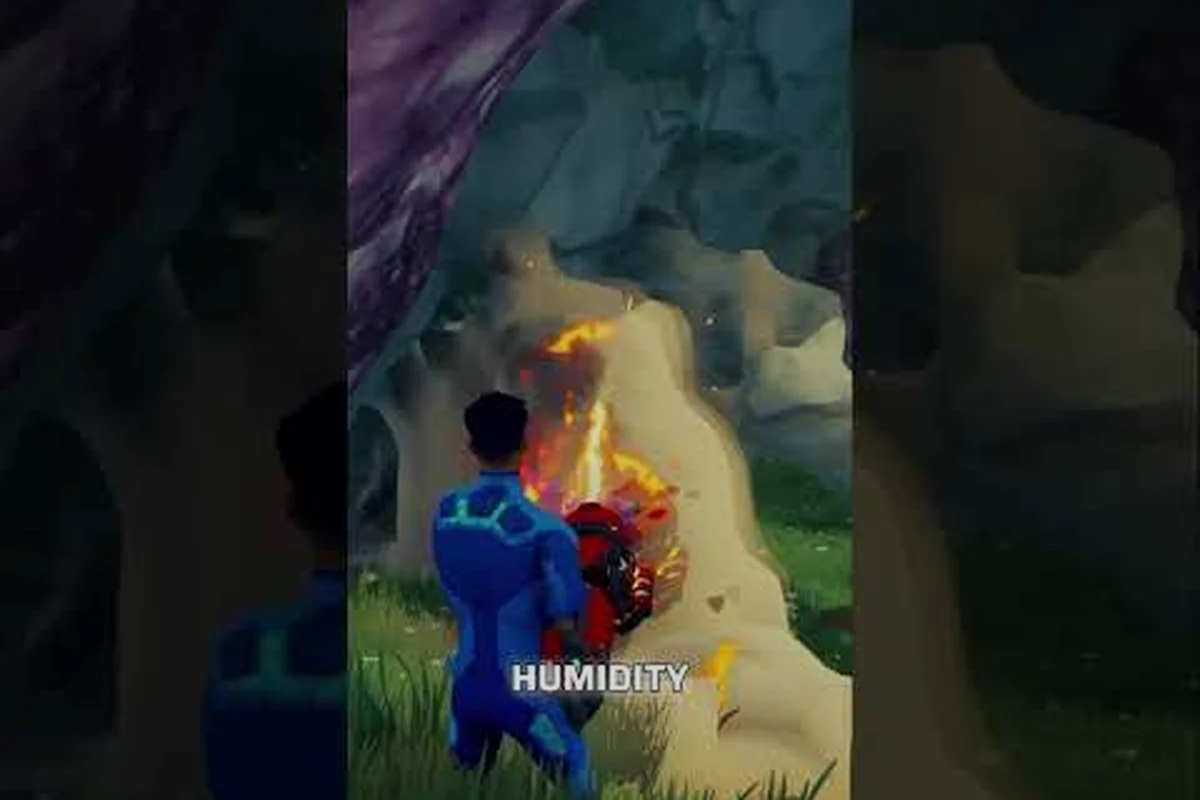
Stars Reach Terraforming Tips: Avoid Lava and Cut Costs
Save credits and dodge disaster with Stars Reach terraforming tips. Learn cost planning, lava hazards, and reshaping without destroying the landscapes you love.
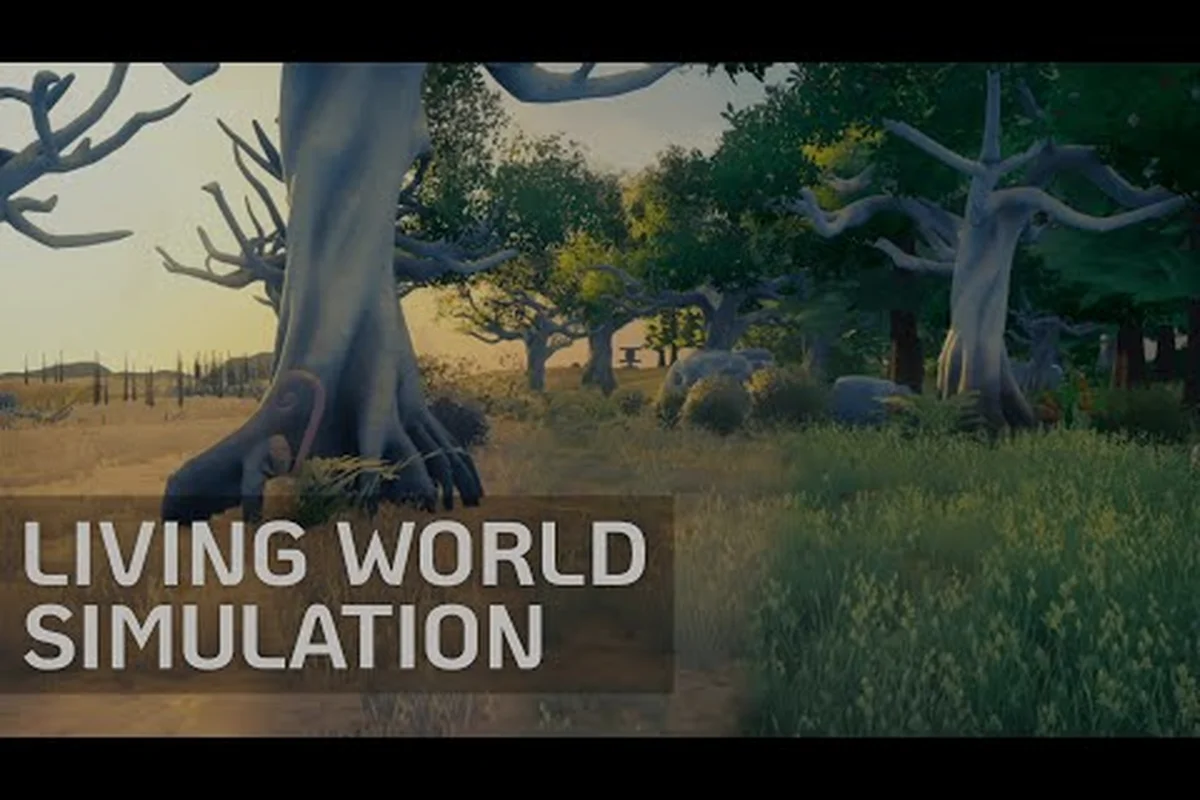
Stars Reach Cave Collapse: Supports and Water Physics
Prevent Stars Reach cave collapse with ceiling supports and smart mining. Water physics and ecosystem changes make every tunnel risky in this reactive world.
All Articles
Stars Reach Terraforming Tool: Level Terrain and Excavate
Master the Stars Reach terraforming tool for landscape editing. Level terrain, excavate caves, and mine underground with tools that react to the environment.

Stars Reach Freeze Water: Evaporation and Permissions
Explore Stars Reach freeze water mechanics and evaporation. Learn how terraforming permissions work and where you can reshape the world in this living galaxy.
Stars Reach Land Reshaping: Water Flow and Glass Making
Learn Stars Reach land reshaping to control water flow and dam rivers. Melt sand into glass and flood valleys in this living world that reacts to you.
Stars Reach Melting Ice: Forests and Fire Simulation
Understand Stars Reach melting ice and its role in world shaping. Grow forests, trigger fire simulations, and watch ecosystems react to every change you make.