
Trade & Economy
Navigate the fully player-driven Stars Reach economy — trade routes, player shops, taxes, smuggling, transport contracts and company competition.
Introduction
The economy of Stars Reach is one of the most ambitious systems in any MMO: it is entirely player-driven, spanning many worlds with trade routes, shops, taxes and even smuggling. There is no central auction house run by the developer — players build the markets themselves. This hub explains how the galactic trade network is constructed, how to set up and run a player shop, how planet governments set taxes and laws, and how the criminal professions smuggle contraband past them. You will also learn about transport and cargo logistics, delivery missions, and the company wars that form as the most powerful economic organizations compete to control supply chains. For players who love market analysis, contract negotiation and economic strategy, this is the heart of Stars Reach.
Economy Systems Overview
| System | Who Runs It | Player Role |
|---|---|---|
| Trade Routes | Community-built network | Construct, supply, profit |
| Player Shops | Shop owner | Sell crafted/enhanced goods |
| Marketplace | Anyone | Buy/sell resources locally |
| Taxes & Laws | Planet owners | Compete or comply |
| Smuggling | Criminal players | Move contraband, evade taxes |
| Company Wars | Corporate players | Compete for market share |
Economy Playbook
Trade Routes
The community-built network of paths, hubs and waypoints that carries goods between worlds and grows as players construct it.
Player Shops
Storefronts where crafters sell unique goods directly to buyers, building brand and reputation.
Taxes & Laws
The planet-custom rules set by owners and governments that shape local trade, build policies and PvP status.
Smuggling
The criminal profession of moving contraband and evading taxes through hidden routes, with high risk and high reward.
Transport & Cargo
The haulers and contract work that physically moves goods between planets, shops and construction sites.
Company Wars
Economic warfare between the most powerful organizations competing to dominate supply chains and markets.
Core Mechanics
The economy runs on goods movement: settlers produce resources and crafted items, and those items travel trade routes to markets where players buy them. Player shops let crafters sell directly from storefronts, building customer relationships and brand reputation. Planet governments set tax rates, build permissions and trade laws, shaping local economic incentives. Smuggling exists as the criminal counterpart — moving contraband or evading taxes through hidden routes, with risk and reward. Delivery missions and transport contracts create work for haulers, and companies compete to control profitable supply chains. Every transaction is between players, so prices, supply and demand all emerge from real behavior.
Advantages
Mastering the economy is a lever on the whole game. Crafters who understand the market price their goods to move fast and build loyal customers. Investors and logistics players profit from arbitrage between worlds with different taxes and supply. Merchants who own shops create passive income streams and earn social standing. Smuggling offers high-risk, high-reward play for those who love evasion. On the largest scale, companies that control supply chains become the de facto governments of trade — the same organizations that build cities and fund wars.
Challenges
A fully player-driven market is volatile: prices crash when supply floods, and demand can vanish overnight with a balance patch. Setting up shops, trade routes and transport requires significant capital and logistics investment. Taxes eat margins, and regulations from hostile governments can strangle a business. Smuggling carries real risk of confiscation or imprisonment. Pre-release, exact trade mechanics, tax formulas and company features may change, so treat early market guides as frameworks rather than exact rules.
Frequently Asked Questions
Can I make money without combat?+
How do taxes work?+
Is there an auction house?+
Quick Tips
Track price differences across worlds before bulk shipping — a profitable lane can disappear in a single market crash, so diversify your cargo.
Invest in a shop before expanding your production; passive sales let you profit while you sleep and build brand recognition.
Keep a small smuggling route as an emergency hedge against taxes — legal trade is safer, but confiscation risk is manageable if planned carefully.
Featured
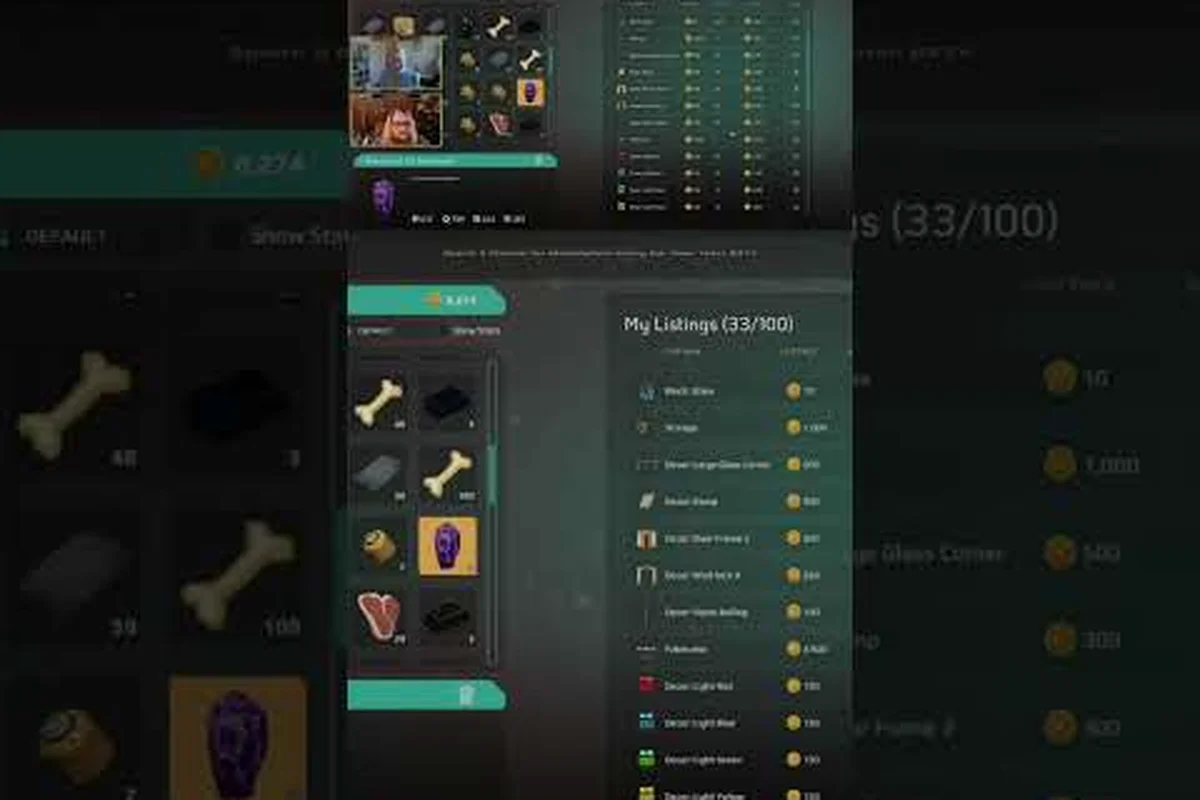
Stars Reach Auction House: Profit From Galactic Trading
Learn to profit from the Stars Reach auction house across connected worlds. Master listing strategies, pricing tips, and how trade feeds every profession.
Stars Reach Manufacturing World: Build Your Company
Build a Stars Reach manufacturing world with company strategies. Learn economic competition, set market prices, and buy and sell goods to dominate trade.
Stars Reach Delivery Missions: Supply Lines and Trade Hubs
Explore Stars Reach delivery missions to establish supply lines. Master inventory management, move resources between trade hubs, and profit from space trade.
All Articles

Stars Reach Goods and Services: Trade Tips and Shops
Master Stars Reach goods and services with trade tips. Learn to buy a shop, map trade routes, and leverage merchant economy for ship trading success.
Stars Reach Merchant Guide: Make Money and Master Taxes
Learn Stars Reach merchant guide to make money fast. Understand the tax system, master criminal trade, and optimize transport logistics for profit.

Stars Reach Trading Guide: Master the Player Economy
Master Stars Reach trading guide to dominate the player economy. Discover trade routes, set up player shops, and profit from galactic trade in this sandbox MMO.
Stars Reach Vendors: Currency, Smuggling, and Storage
Discover how Stars Reach vendors work, from currency basics to smuggling and contracts. Manage storage, haul cargo, and profit from player-driven trade.