
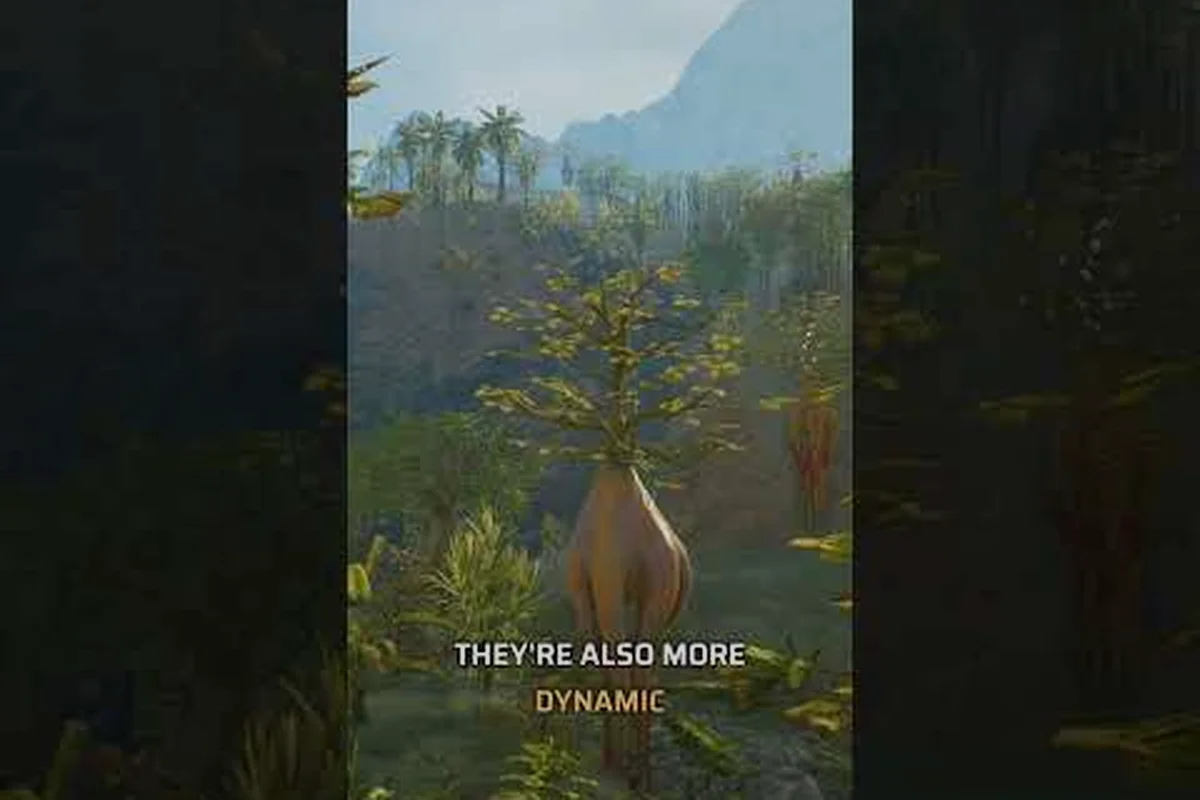
Every planet in Stars Reach is a living system where temperature and humidity determine what you will find on the surface, from dense jungle canopies to frozen ice shelves. Understanding how these stars reach biomes behave is the difference between a successful expedition and a wasted trip across the galaxy, because the environment reacts to everything you do. This guide breaks down the major biome families, the infrastructure you need to reach them, and how to pick the right world for your next outpost.
The living galaxy simulation means that biomes are not static backdrops. When you alter the local climate through terraforming or industrial activity, the ecosystem shifts in real time, which creates both opportunity and risk for explorers. Whether you are hunting rare resources, scouting for a new settlement, or mapping uncharted sectors, knowing how to read a planet's environmental signature will save you hours of travel. Let's get into what makes each biome tick and how to plan around it.
Biome Families and Their Environmental Signatures
The core of any stars reach biomes strategy starts with recognizing that each planet family operates on a predictable set of rules driven by temperature and humidity. According to the official Stars Reach tour of the living galaxy, the game map is always changing, with hundreds or thousands of smaller planets and space sectors rather than a few really large ones. That means you will encounter a wide variety of environments, but they all fall into recognizable categories.
Jungle Worlds: Dense Canopy and High Humidity
Jungle planets are defined by high humidity and warm temperatures, which creates thick vegetation that can both hide resources and slow your movement. These worlds are excellent for gathering biological samples and organic materials, but you need to plan your route carefully because the canopy limits visibility. Players report that jungle biomes often contain rare medicinal plants that are valuable for crafting, though the dense foliage makes hostile creature encounters more frequent.
Key characteristics of jungle biomes:
-
Dense canopy that blocks aerial scanning, so ground exploration is mandatory
-
High humidity that accelerates plant growth, meaning resources regenerate faster
-
Abundant water sources that support diverse wildlife populations
-
Limited building space because tree removal requires terraforming tools
When you land on a jungle world, your first priority should be establishing a forward camp near a water source. This gives you access to hydration and a reference point for navigation, since the canopy can make compass readings unreliable. The trade-off is that jungle planets attract more aggressive wildlife, so you should bring combat gear even if your primary goal is peaceful exploration.
Desert Worlds: Arid Conditions and Thermal Extremes
Desert biomes are the opposite of jungles, defined by low humidity and extreme temperature swings between day and night. These planets are rich in mineral deposits because the lack of vegetation exposes bedrock, but the environment poses serious survival challenges. Thermal management becomes critical, since your equipment can overheat during the day and freeze at night without proper insulation.
The resource profile of desert worlds favors miners and builders, because sand and stone are abundant and easy to extract. However, water is scarce, which means you need to bring your own supply or invest in atmospheric condensers early. Community reports from playtests suggest that desert planets often contain ancient ruins buried beneath the sand, making them prime targets for artifact hunters who can handle the harsh conditions.
| Biome Family | Temperature | Humidity | Primary Resources | Main Challenge |
|---|---|---|---|---|
| Jungle | Warm | High | Biological samples, medicinal plants | Dense canopy, aggressive wildlife |
| Desert | Extreme swings | Low | Minerals, stone, ancient ruins | Thermal management, water scarcity |
| Ice | Cold | Moderate | Frozen gases, rare crystals | Frost damage, limited visibility |
| Volcanic | Very hot | Low | Rare metals, geothermal energy | Lava hazards, toxic air |
Ice Worlds: Frozen Expanse and Preserved Secrets
Ice planets present a cold environment where most of the surface is locked in permafrost, but this freezing condition preserves ancient structures and organic material exceptionally well. These worlds are ideal for xenobiologists because frozen specimens remain intact for analysis, and the low temperatures make it easier to track creature movements through thermal imaging.
The main difficulty on ice worlds is mobility, because deep snow slows ground vehicles and crevasses can hide beneath the surface. You should invest in cold-weather gear and consider bringing a hovercraft if your faction has the crafting capability. Despite these challenges, ice biomes offer some of the best rare crystal deposits in the galaxy, which makes them worth the risk for experienced explorers.
Spaceports and Expedition Infrastructure
Reaching distant biomes requires more than just a capable ship; you need a network of stars reach spaceports that serve as staging grounds for your expeditions. These facilities are player-built and player-operated, which means their quality and services vary depending on who runs them. A well-equipped spaceport can mean the difference between a smooth mission and a stranding in an uncharted sector.
What to Look for in a Spaceport
When you are planning an expedition, the spaceport selection matters as much as your ship loadout. The best facilities offer fuel refineries, repair bays, and storage units, but these services come at a price. According to the official Steam store page, players work together to transform untamed worlds into thriving civilizations, and spaceports are the backbone of that transformation.
Essential spaceport services:
-
Fuel refining stations that convert raw gases into ship fuel
-
Repair bays for fixing hull damage and replacing components
-
Storage units for keeping resources between expeditions
-
Trade terminals for buying supplies and selling rare finds
-
Mission boards that connect you with other players' requests
The spaceport economy is player-driven, so prices fluctuate based on supply and demand. If you are traveling to a remote biome, it is often cheaper to stock up at a major hub before departing, because outpost spaceports charge premium rates for convenience. Experienced players recommend building relationships with spaceport owners in your region, since they may offer discounts to regular customers.
Building Your Own Outpost Network
As you explore more stars reach biomes, you will eventually want to establish your own stars reach outposts to serve as permanent bases of operation. Outposts are smaller than full spaceports but provide essential services like shelter, storage, and respawn points. The key is choosing locations that balance resource access with safety from hostile creatures.
| Outpost Type | Best Biome | Primary Function | Build Cost |
|---|---|---|---|
| Resource Camp | Desert | Mining operations | Low |
| Research Station | Jungle | Biological collection | Medium |
| Forward Base | Ice | Rare crystal extraction | High |
| Trading Post | Any (near spaceport) | Commerce and storage | Medium |
Your first outpost should be modest, focusing on survival essentials like a bed, storage crate, and basic crafting station. As you expand, you can add automated defenses, greenhouse modules, and even a small landing pad for your ship. The living galaxy mechanic means that your outpost's surroundings can change, so periodically check the local environment for shifts in biome boundaries.
Navigating Wormholes and the Cartographer Role
The stars reach wormholes are the highways of the living galaxy, connecting distant sectors through unstable spatial rifts. Unlike traditional star maps, these wormholes are dynamic, meaning they can collapse and reform elsewhere. This is where the stars reach cartographer profession becomes invaluable, because mapping these routes requires specialized skills and tools.
How Wormhole Mechanics Work
Wormholes in Stars Reach are not permanent fixtures; they shift based on the simulation's internal logic. The official tour notes that old wormholes might collapse, leaving older sectors of space unreachable, which forces players to constantly adapt their travel plans. This creates a dynamic exploration loop where cartographers are always in demand to discover new routes.
Wormhole navigation essentials:
-
Scanning equipment that detects active wormholes within a sector
-
Stability readings that indicate how long a wormhole will remain open
-
Destination markers that show where each wormhole leads
-
Collapse warnings that alert you when a route is about to close
When you travel through a wormhole, you never know exactly what you will find on the other side. The destination might be a lush jungle world or a barren volcanic rock, so you should always pack for multiple scenarios. Players who ignore this advice often find themselves stranded in an unsuitable biome without the right gear.
The Cartographer Profession and Mapping Tools
The stars reach cartographer profession is built around the tools and techniques used to map the living galaxy. Cartographers use survey drones and scanning arrays to document planetary surfaces, wormhole routes, and resource distributions. This data is incredibly valuable, because other players will pay for accurate maps of unexplored sectors.
| Cartographer Tool | Function | Unlock Requirement |
|---|---|---|
| Survey Drone | Scans planetary surfaces for resources | Cartographer level 2 |
| Wormhole Tracker | Monitors wormhole stability and routes | Cartographer level 3 |
| Biome Analyzer | Identifies biome boundaries and shifts | Cartographer level 4 |
| Deep Space Scanner | Maps entire sectors from orbit | Cartographer level 5 |
The profession system in Stars Reach allows you to combine cartography with other skills for maximum efficiency. For example, pairing cartography with the explorer profession gives you access to faster travel abilities, while combining it with piloting improves your ship's scanning range. If you are interested in the broader profession synergies, the politician skills guide covers how diplomatic abilities can help you negotiate access to restricted sectors.
Planning Successful Expeditions
A successful stars reach expeditions strategy requires careful preparation, because the living galaxy does not wait for you to be ready. Every expedition should have a clear objective, whether that is resource gathering, artifact hunting, or scouting for new settlement locations. Without a defined goal, you will waste time and resources wandering between biomes.
Expedition Preparation Checklist
Before you leave the spaceport, run through this pre-flight checklist to ensure you have everything you need. According to community reports from the Stars Reach subreddit, most failed expeditions are caused by inadequate preparation rather than unexpected dangers.
-
Ship fuel for the round trip, plus 20% extra for detours
-
Environmental gear matched to your target biome (cold suit, heat shield, etc.)
-
Medical supplies including antidotes for common creature venom
-
Repair kits for both your ship and your equipment
-
Scanning tools to identify resources and threats
-
Emergency beacon for summoning rescue if you get stranded
The expedition duration also matters, because longer trips require more supplies and expose you to more risks. A short scouting run to a nearby desert world might only need a few hours of supplies, while a deep exploration of an uncharted ice sector could take days. Plan your resource budget accordingly, and always leave a buffer for unexpected delays.
Biome-Specific Expedition Strategies
Each biome family requires a different expedition approach, and adapting your strategy is the key to success. The table below summarizes the recommended loadout for each major biome type, based on community testing and playtest reports.
| Biome | Recommended Gear | Primary Objective | Risk Level |
|---|---|---|---|
| Jungle | Machete, antidotes, climbing gear | Biological samples, rare plants | Medium |
| Desert | Heat shield, water condenser, sand goggles | Mineral deposits, ancient ruins | Medium-High |
| Ice | Cold suit, thermal scanner, ice picks | Frozen gases, rare crystals | High |
| Volcanic | Heat-resistant armor, gas mask | Geothermal energy, rare metals | Very High |
When you are exploring a new biome for the first time, consider bringing a small scout party rather than going solo. The extra pairs of eyes help with navigation, and having backup in combat situations can save your life. If you are new to the game, the beginner guide covers the fundamentals of survival and resource management that you will need before venturing into dangerous biomes.
Building and Managing Remote Outposts
Establishing stars reach outposts in remote biomes is a long-term investment that pays off through reduced travel times and consistent resource access. However, managing these outposts requires ongoing attention, because the living galaxy can change the environment around you. A desert outpost might suddenly find itself in a flood zone if the climate shifts, so you need to stay alert.
Outpost Design Principles
The design of your outpost should reflect the biome conditions where it is located. A jungle outpost needs elevated platforms to stay above the dense undergrowth, while an ice outpost requires reinforced foundations to prevent sinking into the permafrost. The layout efficiency directly affects your productivity, so take time to plan before you start building.
Key design considerations:
-
Defensive perimeter that accounts for local wildlife patterns
-
Resource storage that protects against environmental damage
-
Power generation suited to the biome (solar in deserts, geothermal on volcanic worlds)
-
Expansion space that allows for future growth without rebuilding
The outpost economy also matters, because a well-positioned outpost can serve as a trading hub for other players in the region. By offering repair services or resource trading, you can generate passive income that funds further expeditions. This creates a positive feedback loop where your outpost enables more exploration, which in turn brings more resources and customers.
Maintaining Your Outpost Network
Once you have multiple outposts across different stars reach biomes, you need a maintenance schedule to keep them operational. Each outpost requires regular checks for structural integrity, supply levels, and defense readiness. The automation systems in Stars Reach can handle some of this, but you will still need to make periodic visits.
| Maintenance Task | Frequency | Resources Needed | Time Investment |
|---|---|---|---|
| Structural repair | Weekly | Building materials | 30 minutes |
| Supply restock | Bi-weekly | Food, fuel, medical | 1 hour |
| Defense check | Monthly | Ammunition, repairs | 45 minutes |
| Biome reassessment | Monthly | Scanning tools | 20 minutes |
The biome reassessment is particularly important because the living galaxy is always changing. A jungle that was safe last month might now be home to a new predator species, or a desert might have shifted its water table. By staying informed about these changes, you can adjust your outpost operations before problems become critical.
Frequently Asked Questions
What is the safest biome for a first outpost?
Desert worlds are generally the safest choice for a first outpost because they have fewer aggressive creatures and abundant mineral resources. The main challenge is water scarcity, but atmospheric condensers can solve that problem. Start with a small resource camp and expand once you understand the local conditions.
How do wormholes affect expedition planning?
Wormholes are dynamic routes that can collapse without warning, so you should always have a backup travel plan. Check the latest cartographer data before departing, and consider establishing outposts on both sides of critical wormholes. This ensures you have a safe haven even if a route closes while you are exploring.
Can I change my profession to become a cartographer?
Yes, the profession system allows you to learn new skills and change your focus over time. To become a cartographer, you need to acquire the appropriate skill tree and invest in scanning tools. The launch guide explains how profession switching works and what it costs.
What should I do if I get stranded in an unknown biome?
Stay calm and assess your immediate survival needs first, including shelter, water, and protection from local threats. Use your emergency beacon to signal for help, and try to find a safe location to wait. Experienced players recommend carrying a survival kit with basic supplies at all times, because you never know when you might need it.
How often do biomes change in the living galaxy?
Biome changes are driven by the simulation's climate system, so there is no fixed schedule. Some shifts happen gradually over weeks, while others occur rapidly after major events like volcanic eruptions or meteor impacts. Regular scanning and cartographer updates are the best way to stay informed about environmental changes.