
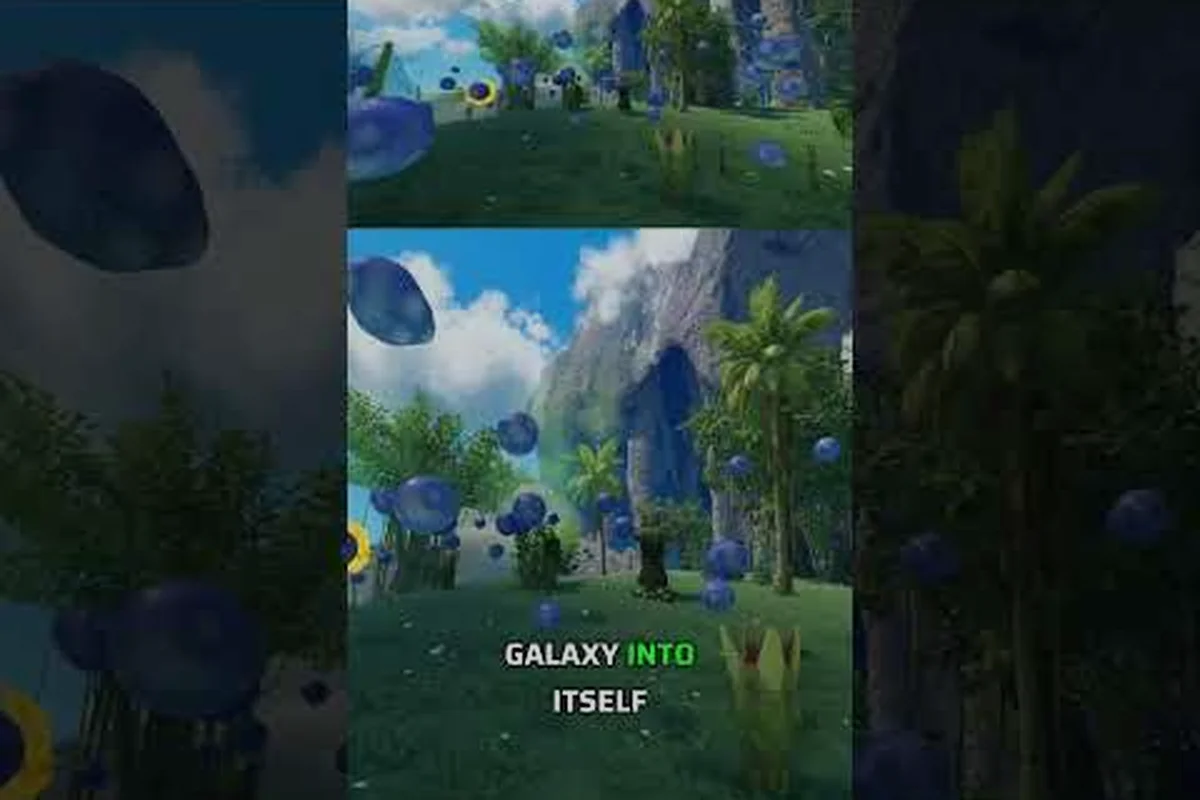
Stars Reach enters Early Access on August 18, 2026, and this stars reach early access guide gives you the exact roadmap for your first session. With thousands of players sharing one living galaxy, the choices you make in the opening hours determine whether you thrive or struggle. The official Steam listing confirms a massive shared universe where exploration, settlement, and terraforming happen together — so knowing what to do first saves you from wasted effort and frustrating dead ends.
The game is not a small-scale survival sandbox; it is an MMORPG where player-driven economies and civilizations emerge organically. According to the official Stars Reach tour, thousands of players explore, settle, and rule living alien worlds simultaneously. That scale means your early decisions ripple outward, affecting not just your own progress but the communities you join. This stars reach starter guide focuses on practical, actionable steps that get you from character creation to your first meaningful contribution within the first hours of play. Before you can jump into that first session, though, you'll need a valid login, so make sure your credentials are squared away by reviewing our Stars Reach Account Setup guide, which covers everything from registration to troubleshooting common access issues.
Stars Reach Early Access Guide: What To Do First
Your first login to Stars Reach can feel overwhelming because the galaxy opens up immediately. The stars reach what to do first question has a clear answer: establish a foundation before chasing distant planets. The opening moments set your trajectory, so prioritize learning the core loop before expanding your ambitions.
The core gameplay loop in Stars Reach revolves around scanning, gathering, crafting, and building. Each action feeds into the next, creating a progression spiral that accelerates as you master the basics. Your first hour should look like this: boot up your scanner to tag nearby mineral deposits and flora, then harvest those marked nodes to stockpile raw ore and biomass. From there, you'll refine those materials at a basic crafting station to produce your first set of tools and a portable shelter. That shelter becomes your forward operating base, letting you place a respawn point and storage cache before you push deeper into the biome—turning a simple gather-and-craft cycle into a self-sustaining foothold that makes every subsequent expedition faster and safer.
-
Complete the tutorial objectives — the game guides you through movement, scanning, and basic tool usage without rushing you
-
Craft your first multi-tool — this all-in-one device handles mining, scanning, and light combat, replacing the need for separate tools
-
Scan everything you encounter — scanning generates data points that unlock crafting recipes and reveal resource locations
-
Claim a small plot — even a modest claim gives you a respawn point and storage access
-
Join a settlement — the fastest way to learn advanced mechanics is watching experienced players work
The first hours of Stars Reach reward curiosity over speed. Players who rush to distant star systems often miss the foundational skills that make long-term survival possible. Community reports from the playtest phase consistently highlight that players who mastered basic scanning and resource identification early progressed faster overall than those who jumped into deep-space exploration unprepared.
Early Access Guide: Understanding the Shared Galaxy
Stars Reach operates on a single shared server architecture, meaning every player occupies the same galaxy simultaneously. This design choice, confirmed by the official early access announcement, creates opportunities and challenges that differ from traditional MMOs. The galaxy contains thousands of planets, each with unique biomes, resources, and hazards.
The living galaxy concept means planets react to player actions. Strip a forest and the ecosystem shifts. Build a city and trade routes emerge. This dynamic environment requires you to think about consequences rather than just immediate gains. The stars reach game guide approach here is simple: observe before you act, because the world remembers what you do.
| Early Access Phase | Time Investment | Key Activities | Expected Outcome |
|---|---|---|---|
| Orientation | 15-30 minutes | Tutorial, basic movement, first scans | Understanding of core controls |
| Foundation | 1-2 hours | Craft tools, claim land, build shelter | Secure base of operations |
| Community | 2-4 hours | Join settlement, contribute resources | Access to shared knowledge |
| Expansion | 4-8 hours | Explore nearby planets, establish outposts | Multiple resource streams |
| Specialization | 8+ hours | Choose profession path, master skills | Recognized role in economy |
This progression timeline comes from playtest observations and community feedback rather than official documentation, so your actual pace may vary. The key insight is that each phase builds on the previous one, and skipping steps creates gaps that become harder to fill later.
Starter Guide: Essential First Session Checklist
Your first session should accomplish specific goals that set up future success. Prioritize unlocking the Shipyard and completing the Tutorial Missions to secure your Starter Ship blueprint, then immediately queue your first Resource Extractor on an asteroid belt before exploring. This stars reach starter guide checklist ensures you cover the essentials without getting distracted by the galaxy's many attractions—skipping these early infrastructure steps delays your Research Lab unlock by roughly 20 minutes, which compounds into slower FTL Drive progression and a weaker early-game economy.
-
Set your respawn point — the game allows you to bind to a specific location, which saves you from long travel times after death
-
Stockpile basic resources — wood, stone, and fiber form the backbone of early crafting, so gather more than you think you need
-
Learn the map system — the galaxy map shows claimed territories, dangerous zones, and resource-rich areas
-
Talk to other players — the community is generally helpful, and veterans often share tips that aren't in any guide
-
Save your credits — early currency is scarce, and spending it on cosmetic items delays your progression
The first hours of Stars Reach also involve a fair amount of trial and error. Don't be discouraged if you die or lose resources; the game's systems are designed to be forgiving at the start. The official development team has stated that Early Access will include regular maintenance windows and potential resets, so treat your first sessions as learning experiences rather than permanent commitments.
Stars Reach Game Guide: Navigating the Early Access Launch
The Early Access launch on August 18 represents a significant milestone for Playable Worlds. The development team has run extensive playtests, and the community has provided substantial feedback that shaped the launch version. Understanding what to expect helps you plan your approach.
The Early Access launch includes content that spans multiple planets, a robust crafting system, and the foundation of the player-driven economy. The official Steam page confirms that players work together to transform untamed worlds into thriving civilizations. This cooperative focus means you should plan to play with others rather than treating Stars Reach as a solo experience.
Game Guide: Understanding the Progression Systems
Stars Reach uses a horizontal progression model rather than traditional vertical leveling, meaning your character’s power ceiling stays relatively flat while your breadth of available tools expands. Instead of grinding XP bars, you unlock new capabilities by raising reputation with planetary factions and completing skill-development chains tied to specific crafting or survival disciplines. For example, a player focused on the Refining skill tree can process rare ores into advanced alloys, but they’ll still need a teammate who invested in Botany to produce the organic catalysts required for those same alloys. This design forces specialization and cooperation because no single player can master every tree, making trade hubs and guild partnerships essential for endgame base-building and starship fabrication.
| Progression Path | Primary Activities | Unlocks | Best For |
|---|---|---|---|
| Explorer | Scanning, mapping, discovery | Navigation upgrades, survey tools | Players who love discovery |
| Builder | Construction, terraforming | Advanced structures, automation | Creative players |
| Crafter | Gathering, refining, production | Better equipment, trade goods | Economy-focused players |
| Combat | Combat, defense, security | Weapons, defensive structures | Action-oriented players |
| Social | Trading, leadership, community | Settlement management, governance | Community organizers |
The stars reach game guide approach to progression is simple: pick one path initially, then branch out once you understand the systems. Trying to do everything at once dilutes your effectiveness and slows your overall progress. Community data from playtests suggests that players who specialized early contributed more to their settlements and advanced faster in their chosen field.
Early Access Guide: Preparing for Launch Day
The days before launch matter as much as the launch itself. Preparation ensures you hit the ground running when servers open. The official early access announcement mentions that playtest invites reopened in the weeks before launch, giving new players a chance to familiarize themselves with the game before the full release.
-
Join the official Discord — the development team announces maintenance windows, patch notes, and community events there
-
Watch gameplay videos — seeing experienced players navigate the systems gives you context that reading guides cannot provide
-
Coordinate with friends — forming a group before launch means you can claim territory together immediately
-
Decide your starting planet — research which planets offer the resources and environment that match your goals
-
Set expectations — Early Access games have bugs, balance issues, and missing content; approach with patience
The stars reach first hours experience improves dramatically with preparation. Players who arrive with a plan and a group accomplish more in their first session than those who wander aimlessly. The game rewards intentionality, and the community respects players who contribute meaningfully from the start.
Stars Reach First Hours: Building Your Foundation
Your first hours in Stars Reach determine your early trajectory, so this section provides a detailed walkthrough of what to do and why. The stars reach first hours are about building habits that serve you throughout your entire playtime, starting with the critical decision of where to establish your first base camp. Prioritize scanning nearby mineral nodes with your starting survey tool before committing to a location, as resource density directly impacts your early crafting speed and survival odds. This is also the window to master the core loop of gathering, refining, and building that defines progression in the early access build, ensuring you don't waste precious time on inefficient routes that slow down your first shelter and tool upgrades.
The initial spawn places you on a starting planet with basic equipment and a tutorial that introduces core mechanics. Pay attention to the tutorial because it teaches systems that remain relevant throughout the game. The tutorial covers movement, scanning, gathering, and basic crafting — all essential skills that you will use constantly.
Starter Guide: Resource Management Fundamentals
Resource management separates successful players from those who struggle. The stars reach starter guide emphasizes understanding resource values, storage, and consumption rates—specifically, recognizing that ore and crystal deposits yield diminishing returns past the first 20 minutes of a run, while early-game fuel reserves dictate how far you can push before the first refinery bottleneck. Tracking your consumption per cycle, rather than hoarding blindly, lets you prioritize upgrades that extend operational uptime, a distinction that becomes critical once the mid-game scarcity curve tightens.
-
Wood and stone form the foundation of construction and should be stockpiled early
-
Fiber is used in dozens of recipes, from clothing to advanced components
-
Ores require processing before use, so learn the refining chain early
-
Food and water are survival necessities that you must produce or purchase
-
Data is a unique resource gained from scanning, used to unlock recipes and upgrades
The resource economy in Stars Reach is player-driven, meaning prices fluctuate based on supply and demand. Community reports indicate that early access economies tend to stabilize within the first few weeks as players establish production chains. Your early stockpiles become valuable trading capital once the economy matures.
Game Guide: Choosing Your First Settlement
Joining a settlement accelerates your learning curve significantly, and in the first hours of Stars Reach this is the single highest-ROI decision you can make. The stars reach game guide recommends finding an established settlement rather than starting your own, at least initially, because a pre-built base spares you the early grind of crafting basic shelters and power sources. Established settlements have infrastructure—think shared refineries, storage vaults, and respawn points—plus shared resources and experienced players who can answer questions in real-time chat. This lets you skip the tutorial-level loop of gathering raw ore by hand and instead jump straight into the mid-game loop of unlocking blueprints and joining group expeditions, compressing your first 10 hours of progression into roughly 3.
| Settlement Type | Advantages | Disadvantages | Best For |
|---|---|---|---|
| Established City | Full infrastructure, active economy | Less personal influence | New players |
| Small Outpost | Tight-knit community, shared goals | Limited resources | Small groups |
| Player Claim | Full control, personal space | Solo responsibility | Independent players |
| Faction Base | Military protection, group activities | Hierarchy requirements | Combat-focused players |
The settlement decision affects your daily experience more than almost any other choice. Take time to explore different settlements before committing. Most communities welcome visitors, and you can usually participate in activities without immediately joining. The stars reach what to do first answer includes finding your community because the social dimension of Stars Reach is integral to its design.
Stars Reach Early Access Guide: Advanced Preparation Strategies
Once you understand the basics, you can prepare for the mid-game challenges that emerge after your first week. This stars reach early access guide section covers strategies that experienced players recommend based on playtest observations—specifically, how to pivot from surface scavenging to establishing a sustainable deep-core mining operation. Prioritize unlocking the Geothermal Extractor blueprint before your second planetary cycle, as it provides the passive power needed to run atmospheric processors without draining your portable fuel reserves. Additionally, learn to read the ore scanner’s density gradients: a reading above 70% in a single vein indicates a stabilized node worth a dedicated drill rig, whereas scattered low-yield deposits are best left for quick hand-mining runs. These mid-game decisions determine whether you hit the tech tier for off-world shuttles by day ten or stall in base-building limbo.
The mid-game transition happens when you have a stable base, reliable resource streams, and a clear specialization. At this point, you can expand your influence through exploration, production, or community leadership. The game's horizontal progression means you can shift focus without losing previous progress, which encourages experimentation.
Rookie Errors That Drain Your Early Resources
Learning from others' mistakes saves you time and frustration, especially when the early access economy punishes wasted resources. The stars reach starter guide highlights common errors that new players make during the first hours, such as over-investing in a single ship's default loadout before checking the research tree—a choice that often leaves you without the required alloys for the first tier of warp drive upgrades. Instead, prioritize salvaging derelicts in the starter nebula to bank 500 credits early, which covers the initial docking fee and lets you buy a second mining laser before your first hostile encounter.
-
Overextending territory — claiming more land than you can defend or develop creates vulnerabilities
-
Ignoring survival needs — focusing entirely on construction while neglecting food and water leads to unnecessary deaths
-
Skipping scanning — scanning generates data that unlocks essential recipes and reveals resource locations
-
Hoarding instead of trading — the economy rewards circulation, not accumulation
-
Playing solo exclusively — the game is designed for cooperation, and solo players miss significant content
The community feedback from playtests consistently mentions these mistakes as the most common reasons players struggle. The development team has acknowledged that the game's complexity can overwhelm new players, which is why the tutorial and early content are designed to ease you into the systems gradually.
Game Guide: Planning Your First Week
Your first week in Stars Reach should follow a rough plan that builds toward meaningful accomplishments, prioritizing Tier 1 tool crafting (stone axe, pickaxe, and mallet) within your first two hours so you can harvest copper and tin for a bronze anvil before the daily server reset. This stars reach game guide timeline assumes regular play sessions of at least 90 minutes each and active community participation, since joint expeditions to the Crimson Mire biome yield rare flux crystals that solo players rarely secure; without that early material stockpile, your first workshop upgrade stalls until day three, delaying your first surveyor drone unlock.
-
Day 1-2: Complete tutorial, establish base, join a settlement
-
Day 3-4: Master your chosen profession, contribute to settlement projects
-
Day 5-6: Explore nearby planets, establish resource outposts
-
Day 7: Evaluate progress, adjust specialization, plan next week's goals
The weekly planning approach keeps you focused without becoming rigid. Stars Reach rewards adaptability, so adjust your plan based on opportunities that arise. Community events, new discoveries, and settlement projects can all shift your priorities. The key is maintaining momentum while remaining flexible enough to seize unexpected opportunities.
The long-term vision for Stars Reach includes regular content updates, new planets, and evolving systems. The development team has committed to a transparent roadmap, and the official website tracks progress from prototyping through Early Access and beyond. Staying informed about upcoming changes helps you prepare for shifts in the meta and take advantage of new content when it launches.
Frequently Asked Questions
What should I do first in Stars Reach Early Access?
Complete the tutorial, craft your multi-tool, and scan everything you encounter. These actions build your foundational knowledge and resource base. Then join a settlement to access shared infrastructure and community knowledge. This stars reach early access guide recommends establishing a respawn point before exploring distant planets.
How many players share the Stars Reach galaxy?
Stars Reach operates on a single shared server, meaning thousands of players occupy the same galaxy simultaneously. The official tour describes it as an MMORPG rather than a small-scale survival game. This shared environment creates a dynamic economy and living worlds that react to collective player actions.
What is the best profession for beginners in Stars Reach?
Explorer is the most beginner-friendly profession because scanning and mapping teach you the galaxy while generating valuable data. This stars reach starter guide recommends starting with exploration before branching into crafting or building. The horizontal progression system lets you switch focus without losing progress.
Will there be server wipes during Early Access?
The development team has indicated that Early Access will include regular maintenance windows and potential resets as systems evolve. According to the official early access announcement, playtest invites reopened before launch, and services remain online almost full-time. Treat your first sessions as learning experiences rather than permanent commitments.
How do I join a settlement in Stars Reach?
Travel to an established settlement and speak with its members or leadership. Most communities welcome visitors and allow participation in activities without immediate membership. This stars reach game guide recommends exploring multiple settlements before committing, as the community you join significantly affects your daily experience.